

Etkili Deri Kozmetik Çantası Üretimi öncelikli faktördür. Nasıl yapılacağını bilmek güvenilir bir üretici bulun ilk adım. Bir markanın itibarını, ürün iadeleri ve kalite şikayetleriyle ilişkili yüksek maliyetlerden koruyan. Tutarsız dikişlerle tek bir üretim çalışması, uyumsuz paneller, veya kötü bitirilmiş kenarlar, müşterinin güvenine hızla zarar verebilir ve önemli mali kayba yol açabilir. B2B alıcıları için, Bir tedarikçinin metodolojisini anlamak yalnızca kaliteyi incelemekle ilgili değildir; geliri doğrudan etkileyen başarısız ürün lansmanı riskini azaltmakla da ilgilidir.
Bu kılavuz, üretim süreci net bir şekilde, operasyonel sıra. Fabrikamızdaki her teknik aşamayı ele alacağız, Hammadde denetimi ve ayıklamasından kalıp kesim hassasiyetine kadar, bilgisayarlı montaj, ve son çok noktalı kalite kontrol kontrolleri. Bunun size yardımcı olacağını umuyoruz, İster deri kozmetik çantaları tedarik ediyor olun ister yeni ürünler geliştiriyor olun, Bir fabrikanın kapasitesini değerlendirin ve tamamlanan her parçanın markanızın katı standartlarıyla uyumlu olmasını sağlayın.
Adım 1 Hammadde Kontrolü ve Ayırma
Hammaddelerin %5-10'unun girişte reddedilmesi, sonraki üretim hatalarını önleyen ve nihai ürün tutarlılığını garanti eden birincil kalite kapısıdır..
Her üretim çalışması burada başlar. Herhangi bir malzeme kesilmeden veya dikilmeden önce, sıkı bir denetimden geçmesi gerekiyor. Bu ilk adım, en kritik kalite filtresi görevi görür, iş akışına yalnızca katı spesifikasyonları karşılayan bileşenlerin girmesini sağlamak. Bu aşamayı atlamak veya aceleye getirmek, daha sonra düzeltilmesi katlanarak daha pahalı hale gelen kusurlara neden olur.
Görsel ve Dokunsal Değerlendirme
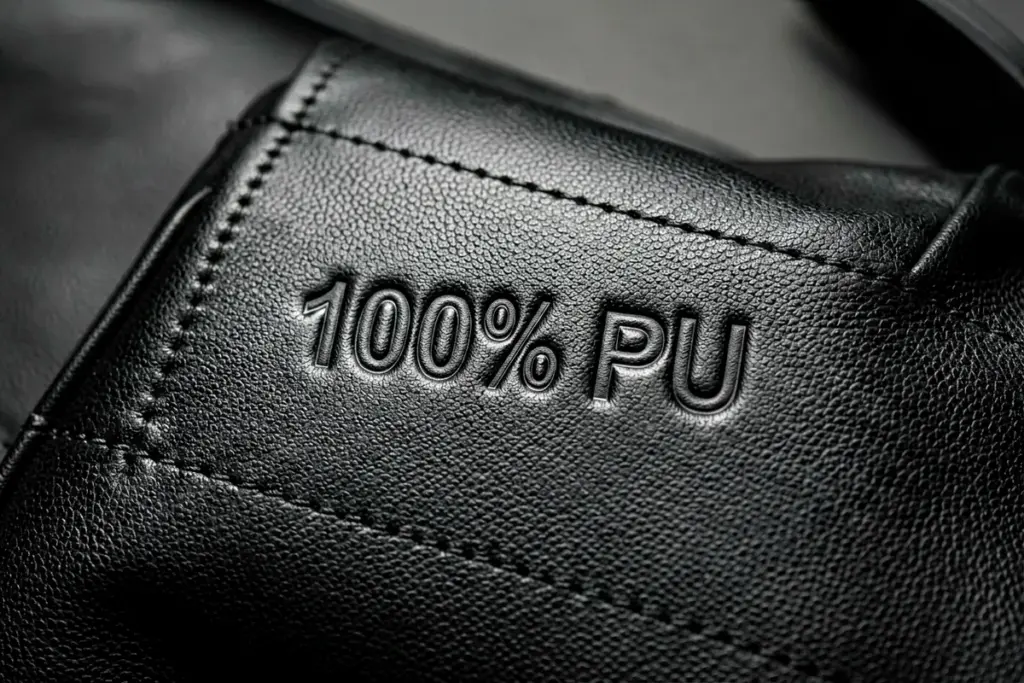
İlk kalite kontrolü, gelen tüm malzemelerin uygulamalı olarak incelenmesidir, içermek microfiber leather, hakiki deri gizler, ve metal donanım. Teknisyenler dokudaki bütünlüğü doğrulamak için standartlaştırılmış aydınlatma sistemleri ve yerleşik dokunsal protokoller kullanıyor, renk, ve bitir. Bu, malzemelerin üretime geçmeden önce onaylanmış proje spesifikasyonlarına uyduğunu doğrular..
- Malzemeler, ince renk ve parlaklık değişimlerini belirlemek için kontrollü aydınlatma altında incelenir.
- Manuel kontroller malzemenin esnekliğini değerlendirir, kalınlık, ve ana numuneye karşı yüzey tanesi.
- Bu adım, malzemenin hissiyatının ve görünümünün müşterinin onayladığı standartla uyumlu olduğunu doğrular.
Kusur Tanımlama ve Ayrıştırma
Malzemenin her bir derisi veya rulosu, çizikler gibi kusurlara karşı dikkatli bir şekilde taranır, yara izi, Böcek ısırıkları, solma, veya yapısal zayıflıklar. Standartların altındaki kısımları işaretlemek ve ayırmak için hem otomatik tarama sistemleri hem de manuel kontroller kullanılır. Bu, bitmiş bir torbada kusurlu bölümlerin kullanılmasını önler ve kesim aşamasında israfı en aza indirir. Arızalı malzemeleri erken reddederek, yalnızca birinci sınıf bileşenlerin bir sonraki adıma geçmesini sağlıyoruz.
Malzeme Ayırma ve Gruplama
Malzemeler muayeneyi geçtikten sonra, tutarlı gruplar halinde sıralanır ve gruplandırılırlar. Bu partiler tam renk tonuna göre düzenlenir, tane deseni, ve kalınlık. Bu işlem, tek bir torbanın tüm parçalarının mükemmel şekilde eşleştiğinden emin olmak için gereklidir., uyumlu ve kaliteli bir görünüm yaratmak. Her gruba bir dijital kayıt atanır, üretim döngüsü boyunca hassas envanter yönetimine ve tam izlenebilirliğe olanak tanır.
Adım 2 Kalıp ve Lazerle Hassas Kesim
Hassas kesim, emek yoğun manuel takımlamadan otomatik CO₂ lazer sistemlerine geçiş yaptı, mühürlü sağlayan, Karmaşık ürün tasarımları için gereken yıpranmayan kesimler ve tekrarlanabilir doğruluk.
Otomatik Kesim Teknolojileri
İle 2026, Deri kesimi için endüstri standardı CO₂ lazer teknolojisidir, Geleneksel manuel yöntemlere göre belirgin avantajlar sunan bir sistem. Otomasyon, karmaşık modeller için gereken hassasiyeti sağlar, tüm üretim süreçlerinde tasarım tutarlılığının sağlanması. Lazerin ısısı deriyi keserken mühürler, yıpranmayan temiz kenarlar yaratmak. Bu teknoloji, emek yoğun aletlerden tekrarlanabilirliğe doğru kesin bir değişimi işaret ediyor, yüksek verimli üretim sistemleri.
Malzeme Bütünlüğü için Süreç Optimizasyonu
Malzeme bütünlüğünü korumak ve kavurma gibi kusurları önlemek için, her kesimi dikkatlice kalibre ediyoruz. Süreç, güç ayarlarının ayarlanmasını içerir, hız-güç oranları, ve belirli deri türlerine ve kalınlıklarına uyacak odak uzaklığı. Orta ila kalın derilerin çoğu için, güç değerleri 40-60W arasında ayarlanır. Yanık izi bırakmadan temiz bir kenar elde etmek için odak uzunluğunun ve hız-güç oranının ince ayarlanması çok önemlidir. Uygun havalandırma aynı zamanda standart bir operasyonel kontroldür, çeşitli deri kalitelerinde tutarlı sonuçların sağlanması.
Karmaşık Ürün Tasarımlarında Uygulama
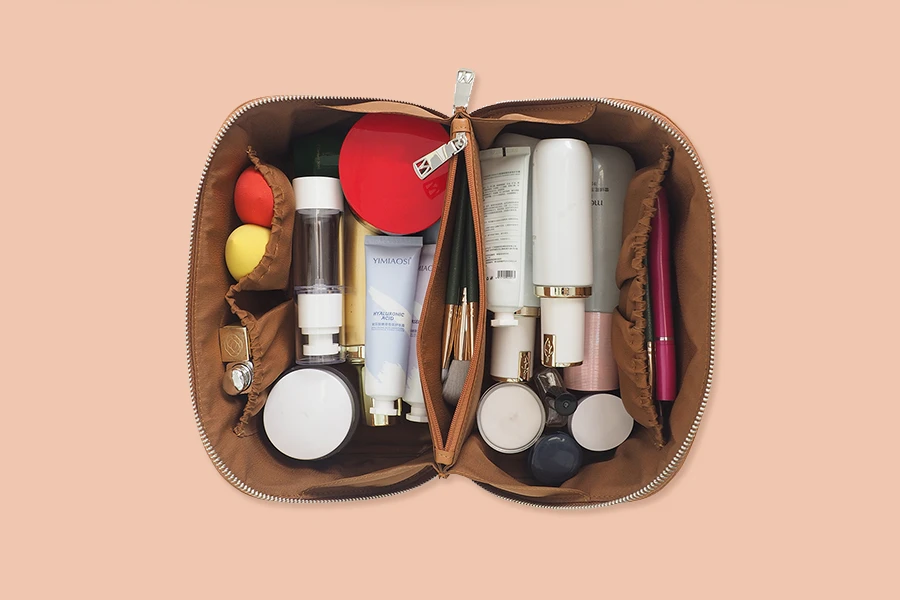
Lazer kesimin yüksek hassasiyeti özellikle kozmetik çantaları gibi ürün grupları için değerlidir, detaylı desenlerin nihai estetiği doğrudan etkilediği yer. Hakkında daha fazla bilgi edinin kozmetik çantalarını özelleştirme markanız için. Bu teknoloji, karmaşık tasarımların büyük üretim süreçlerinde tutarlı bir şekilde kopyalanmasına olanak tanır, elle elde edilmesi zor olan bir şey. Aynı zamanda daha fazla tasarım özgürlüğünü de destekler, kaliteden veya tutarlılıktan ödün vermeden karmaşık şekil ve desenlerin uygun ölçekte üretilmesini mümkün kılmak.
Özel Kozmetik Çantalarla Ürün Yelpazenizi Genişletin
Adım 3 Sıyırma ve Güçlendirme Uygulaması
Düzgün bir şekilde yontulmuş kenarlar ve stratejik takviye, temiz dikişlere sahip bir kozmetik çantası üretmek için tartışılamaz, kalıcı dayanıklılık, ve birinci sınıf bir ürün için gereken yapısal bütünlük.
Dikiş Hazırlığı için Deri Kenar Sıyırma
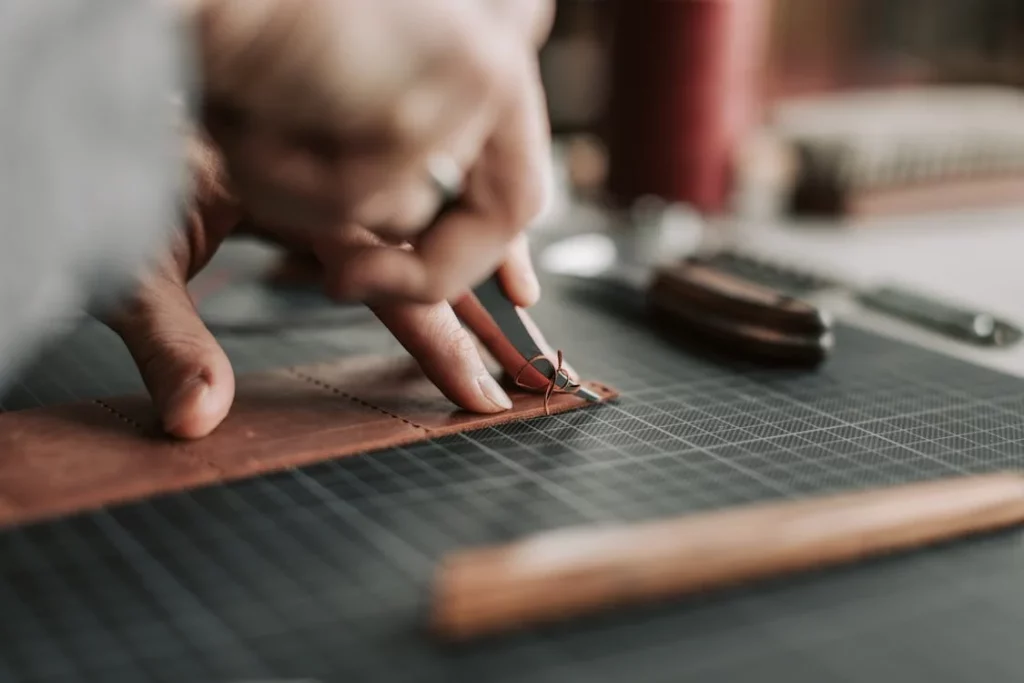
Tıraşlama, kesilmiş deri bileşenlerin kenarlarının hassas bir şekilde inceltilmesi işlemidir. Bu adım, parçaların birbirine dikildiği yerde hacmi azaltmak için gereklidir.. Konik bir kenar oluşturarak, dikişlerin düz olmasını ve kıvrımların keskin olmasını sağlıyoruz, bu da çantanın zarif görünümüne ve genel yapısal gücüne doğrudan katkıda bulunur. İnceltilmiş kenarlar ayrıca yapıştırıcıların dikişten önce yapışması için daha iyi bir yüzey alanı oluşturur, daha dayanıklı bir son montajla sonuçlanır.
- Yumuşak geçişler sağlamak ve hacimli dikişleri önlemek için deri kenarlar inceltilmiştir.
- Bu işlem, dikişten önce daha güçlü bir bağ için tutkalın yapışmasını iyileştirir.
- Profesyonelliğe ulaşmak için doğru yontma şarttır, Çantalarda rafine yüzeyler.
Destekleyici Malzemelerle Yapısal Güçlendirme
Bir kozmetik çantasının amaçlanan şeklini koruduğunu ve günlük kullanıma dayandığını garanti etmek, Takviye malzemelerini yüksek gerilimli alanlara yapıştırıyoruz. EVA gibi malzemeler (etilen-vinil asetat) köşe gibi yerlere uygulanır, kolu üsleri, ve donanım bağlantı noktaları. Bu, kritik yapısal bütünlük sağlar ve derinin zamanla esnemesini veya yırtılmasını önler., bunların hepsini çantanın sert veya esnek olmayan bir his vermesine neden olmadan.
- EVA veya diğer malzemeler köşeler ve sap tabanları gibi önemli stres noktalarına bağlanır.
- Takviye zamanla esnemeyi ve yırtılmayı önler, ürünün ömrünü uzatmak.
- Çantanın istenilen şeklini korumasına yardımcı olur, özellikle doldurulduğunda.
El ve Makine Tekniklerini Dengeleme
Üretimde hem kaliteye hem de ölçeklenebilirliğe ulaşmak, yontma konusunda hibrit bir yaklaşım gerektirir. Uzun süre yüksek hızlı makine kayakçıları kullanıyoruz, Eşit kalınlık ve tutarlı çıktı sağlamak için düz kenarlar. Daha karmaşık kıvrımlar veya hassas deri türleri için, vasıflı teknisyenlerimiz manuel elle yontma işlemi gerçekleştirir. Bu kombinasyon, büyük siparişler için üretim verimliliğini korurken aynı zamanda yüksek kaliteli bir ürünü tanımlayan ayrıntılara titizlikle dikkat etmemizi sağlar..
- Makineyle sıyırma, eşit kalınlık ve hız sağlar, ölçeklenebilirlik için ideal.
- Elle yontma, yetenekli zanaatkarlar tarafından hassas bir dokunuş gerektiren karmaşık parçalar için kullanılır.
- Bu hibrit yaklaşım, hem üretim verimliliğini hem de son torbanın estetik kalitesini optimize eder.
Adım 4 Tela ve Yapı İnşaatı
Uygun yapısal yapı, Arayüz ve EVA köpüğü gibi malzemelerin kullanılması, Çöken bir çantayı yıllar boyu kullanımda amaçlanan şeklini ve dayanıklılığını koruyan çantadan ayıran şeydir.
Rijitlik için Arayüz Uygulaması
Gerekli yapısal desteği sağlamak için ara yüzeyleri doğrudan kumaş veya deri panellere ütüliyoruz. Bu süreç sağlamlık için temeldir, Torbanın kendi ağırlığı altında veya kullanım sırasında çökmesi yerine istenilen şeklini korumasının sağlanması. Prim için gereken temel yapıyı sağlar, dayanıklı ürün.
- Daha yumuşak malzemelere sertlik kazandırır, çantanın kendi başına durmasına izin vermek.
- Panellerin ve kapakların gevrek kalmasına yardımcı olur, iyi tanımlanmış görünüm.
- Malzemenin zamanla sarkmasını veya şeklini kaybetmesini önler.
Yapısal Bütünlük İçin EVA'nın Yapışması
Hedeflenen takviye için, Etilen-vinil asetat yapıştırıyoruz (eva) belirli bileşenlere göre köpük. Bu hafif köpük, gereksiz ağırlık eklemeden çantanın dayanıklılığını ve ömrünü önemli ölçüde artıran esnek bir iç yapı sağlar.. Sonuç, hem sağlam hissettiren hem de pratikliğini koruyan bir çantadır.
- Çantanın önemli stres noktalarında şeklini koruma yeteneğini güçlendirir.
- Çantanın günlük aşınma ve yıpranmaya karşı dayanıklılığını artırır.
- Önemli miktarda hacim yaratmadan hafif ancak sağlam bir yapısal katman ekler.
Yüksek Gerilim Noktalarının Güçlendirilmesi
Bu yapısal malzemelerin stratejik yerleştirilmesi son montajdan önce gerçekleşir. En fazla kötüye kullanıma maruz kalacak alanları güçlendirmeye odaklanıyoruz: ekleri ele alma, köşeler, ve taban yaygın örneklerdir. Bu, bitmiş ürünün uzun süre dayanacak şekilde üretilmesini sağlar.
- Torbanın formunu korumasını ve içindekilere yeterli desteği sağlamasını sağlar.
- Kulplar ve kayışlar için bağlantı noktalarının dayanıklılığını artırır.
- Bitmiş ürünün sık seyahat ve kullanımın zorluklarına dayanabileceğini garanti eder.
Adım 5 Montaj ve Bilgisayarlı Dikiş
Etkili montaj, ana dikişler için bilgisayarlı dikişin verimliliğini, kulplar ve köşeler gibi yüksek stresli alanlar için manuel takviyenin hedeflenen dayanıklılığıyla dengeler.
Endüstriyel Makinalarla Hassas Dikiş
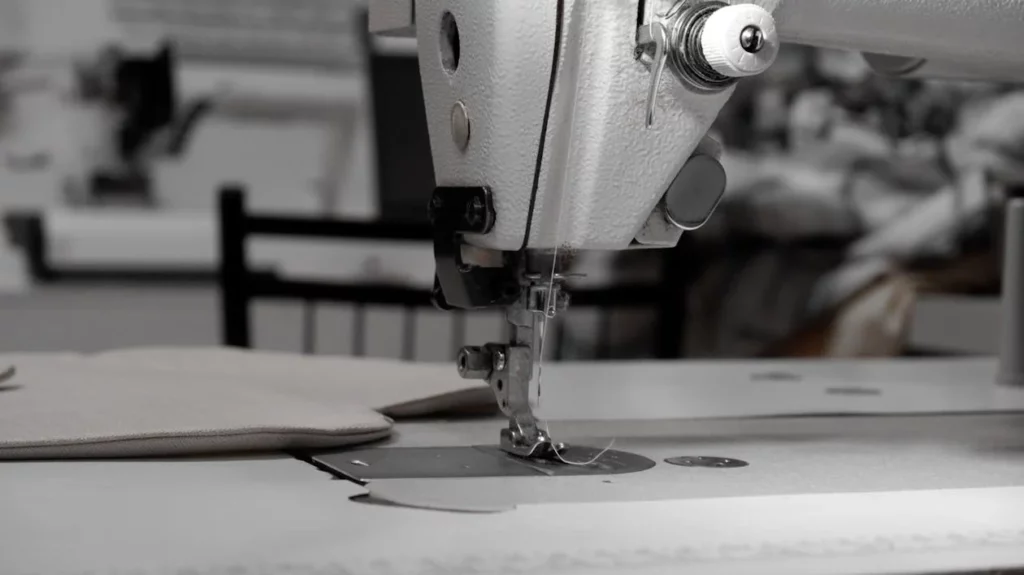
Modern deri çanta montajında, optimum iplik kalınlığı ve dikiş yoğunluğu için kalibre edilmiş endüstriyel dikiş makineleri kullanılır. Bu makineler tutarlı gerilim kontrolü sağlar ve programlanabilir modelleri yürütebilir, yüksek hacimli üretim verimliliği için gerekli olan. Bu otomasyon, hızdan ödün vermeden her ünitenin aynı yapısal ve estetik standardı karşılamasını sağlar.
- Bilgisayarlı makineler, tüm birimlerde tasarım tutarlılığını korumak amacıyla belirli dikiş desenleri için programlanmıştır.
- Otomatik gerginlik kontrolü her dikişin güvenli olmasını sağlar, Torbanın genel yapısal bütünlüğüne katkıda bulunmak.
- Bu teknoloji, geleneksel işçiliği modern üretim için gereken ölçeklenebilirlik ile dengeliyor.
| Özellik | Bilgisayarlı Dikiş | Manuel Sırttan Dikiş |
|---|---|---|
| Birincil Başvuru | Ana gövde dikişleri, büyük paneller, ve dekoratif desenler | Yüksek stres noktaları: kulp, kayış ekleri, köşeler |
| Hız & Ölçeklenebilirlik | Yüksek; seri üretim ve tutarlılık için ideal | Düşük; emek yoğun ve kritik alanlar için ayrılmış |
| Dayanıklılık Mekanizması | Tutarlı makine gerilimine güvenir (mekik dikişi) | Her dikiş kendiliğinden kilitlenen bir düğümdür; biri kırılırsa çözülmez |
Yüksek Gerilimli Alanların Güçlendirilmesi
Makineler montajın çoğunu gerçekleştirirken, Sap ekleri gibi yüksek stresli noktalara özel dikkat gösterilir. Burada, Sırttan dikiş gibi geleneksel teknikler genellikle en çok ihtiyaç duyulan yerlerde ekstra güç sağlamak için kullanılır. Bu hibrit yaklaşım, bitmiş torbanın ana gövde yapısı için üretim verimliliğinden ödün vermeden günlük kullanıma dayanabilmesini sağlar.
- Kollar, kayışlar, ve köşe dikişleri kritik stres alanları olarak tanımlanır.
- Deneyimli zanaatkarlar bu belirli parçaları güçlendirmek için elle yönlendirilen teknikler kullanıyor.
- Otomatik verimlilik ve hedeflenen manuel takviyenin bu kombinasyonu, ürünün ömrünü uzatır.
Ara Kalite Kontrolleri
Kalite güvencesi doğrudan montaj aşamasına entegre edilir, sona bırakılmadı. Torbanın bitirme adımlarına geçmeden önce yapısal bütünlüğü garanti etmek için ara denetimler ve makine ayarlarının titiz kalibrasyonu gerçekleştirilir. Bu proaktif yaklaşım potansiyel sorunları erkenden tespit edip düzeltir.
- Denetçiler montaj sırasında birçok noktada dikiş hizalamasını ve dikiş tutarlılığını kontrol eder.
- Kusurları önlemek ve kalite standartlarını korumak için dikiş makineleri düzenli olarak kalibre edilir.
- Bu süreç israfı azaltır ve güvenilir bir nihai ürün sağlar.
Adım 6 Kenar İşleme ve Donanım Bağlantısı
Bir çantanın kalitesi genellikle kenarlarına ve donanımına göre değerlendirilir; Bu adım, güvenlik açıklarını kapatarak ve işlevsel bileşenler kurarak ürünü bir parça koleksiyonundan bitmiş bir ürüne taşır..
Kenar Hazırlığı ve Sızdırmazlık
Son montajdan önce, Kesilmiş derinin ham kenarları ve mikrofiber bileşenler dayanıklı bir yüzey için hazırlanmıştır. Profesyonel bir ürün için bu temel aşama tartışılamaz. Teknisyenler mükemmel pürüzsüz ve düzgün bir yüzey oluşturmak için kenarları zımparalayıp eğim veriyorlar, Sızdırmazlık malzemelerinin veya boyaların düzgün bir şekilde yapışmasını ve gelecekte yıpranmayı önlemesini sağlar. Bitkisel tabaklanmış deriler için, kenarlar genellikle özel aletlerle parlatılır. Bu teknik, elyafları doğal olarak kapatmak için sürtünmeyi kullanır, cilalı üretmek, karanlık, ve boyaya ihtiyaç duymadan son derece dayanıklı kenar.
Kenar Boyası Uygulaması
Parlatmanın etkisiz olduğu kromla tabaklanmış veya mikrofiber deri gibi malzemeler için, çok katmanlı bir kenar boyama işlemi kullanılır. Teknisyenler dikkatli bir şekilde uzman bir uygulama uygular., birkaç ince katman halinde yüksek kaliteli kenar boyası. Her kat arasında yeterli kuruma süresi, dayanıklı bir yüzey oluşturmak için kritik öneme sahiptir., düz, ve esnek kaplama. Bu işlem sadece çantanın temiz olmasını sağlamakla kalmaz, profesyonel görünümün yanı sıra hassas kenarları nemden ve günlük aşınmadan da korur. Boya rengi çantanın ana malzemesiyle tam olarak eşleştirilmiştir veya bilinçli bir vurgu olarak seçilmiştir, Nihai tasarım estetiğine katkıda bulunmak.
Fermuarların Takılması, Klipsler, ve Bağlantı Parçaları
Bu adımın son aşaması tüm donanımın güvenli bir şekilde bağlanmasını içerir. Buna fermuarlar da dahildir, manyetik tokalar, tokalar, kayış çapaları, ve koruyucu ayaklar. Doğru hizalama ve sorunsuz işlevsellik sağlamak için her bileşen hassasiyetle monte edilmiştir. Fermuarlar ve tokalar yerine dikilir veya perçinlenir, stres altında yakalanmadan veya arızalanmadan çalışmalarını garanti eder. Tüm metal bağlantı parçaları, seyahat ve düzenli kullanım gereksinimlerine dayanacak şekilde güvenli bir şekilde sabitlenmiştir, Çantanın uzun vadeli dayanıklılığını ve kullanıcı deneyimini doğrudan etkiler.
Adım 7 Son Temizlik ve Şekillendirme
Son temizleme ve şekillendirme aşamaları kritik bir kalite kapısı görevi görür, Her çantanın kusursuz bir görünüme sahip olmasını ve amaçlanan silueti korumasını sağlamak için özel yumuşatıcılar ve yapısal sabitleme teknikleri kullanılıyor.
Yüzey Temizleme ve Kalıntı Giderme
İçinde 2026, son temizleme aşaması, kalan yapıştırıcıların giderilmesine odaklanır, toz, veya üretim sürecindeki işaretlerin işlenmesi. Bu, her torbanın paketlenmeden önce kusursuz bir yüzey kaplamasına sahip olmasını sağlamak için kritik bir kalite kapısıdır.
- Teknisyenler yumuşak kullanıyor, aşındırıcı olmayan bezler ve özel, Tüm deri ve mikrofiber yüzeyleri nazikçe silmek için çevre dostu klimalar.
- Malzemenin bütünlüğüne veya rengine zarar vermeden kalan üretim kalıntılarını çözmek için su bazlı solventler kullanılır..
- Manuel inceleme, ürünün tamamında tutarlı ve kusursuz bir görünüm garanti etmek için temizleme sürecini takip eder.
Yapısal Şekillendirme ve Form Ayarlama
Temizledikten sonra, Her çanta, amaçlanan yapısını ve formunu oluşturmak için bir şekillendirme sürecinden geçer. Bu adım, kozmetik çantasının fabrikadan son kullanıcıya kadar doğru siluetini korumasını sağlar.
- Torbalar özel iç desteklerle doldurulur veya nihai tasarım boyutlarına uygun kalıplara yerleştirilir.
- Kontrollü, Derinin kalıcı şeklini almasına yardımcı olmak için hafif ısı veya basınç uygulanabilir..
- Bu işlem torbanın yapısını sağlamlaştırır, nakliye ve depolama sırasında kırışmayı veya deformasyonu önlemek.
Koruyucu Kaplama ve Son Cila
Son adım, çantanın estetik çekiciliğini ve uzun vadeli dayanıklılığını artıran gelişmiş son işlem işlemlerinin uygulanmasını içerir.. Bu teknikler ürüne son bir koruma katmanı ve birinci sınıf bir his katar.
- Bir ışık, Deriyi beslemek ve hafif bir parlaklık sağlamak için koruyucu balmumu veya bakım kremi uygulanır..
- Belirli tasarımlar için, Pürüzsüz bir yüzey oluşturmak için kenar perdahlama veya sırlama gibi teknikler kullanılır., mühürlü kaplama.
- Manuel parlatmayla birleştirilmiş mekanik parlatma, eşit bir parlaklık sağlar ve torbayı son kalite kontrolüne hazırlar.
Adım 8 Kalite Kontrol
Modern kalite kontrol çerçevesi artık son adım değil, hammadde alımından son denetime kadar entegre edilmiş çok aşamalı bir süreçtir., İsrafı azaltmak ve parti tutarlılığını sağlamak için erken hata tespitine odaklanmak.
Üretim Öncesi Malzeme Denetimleri
Herhangi bir imalat başlamadan önce, Deri postlardan mikrofiberlere ve metal donanımlara kadar her hammadde sıkı bir denetime tabi tutulur. Bu ilk ağ geçidi, kalite ve estetik standartlarını karşılayamayan malzemelerin üretim akışına girmesini önler. Malzeme kalitesini doğruluyoruz, renk tutarlılığı, Onaylanmış numunelere karşı doku ve doku. Süreç ayrıca herhangi bir doğal kusurun veya nakliye hasarının kontrol edilmesini ve tüm donanımın dayanıklılık ve doğru mekanik işlev açısından test edilmesini de içerir..
| Kalite Kontrol Aşaması | Anahtar Odak | Birincil Hedef |
|---|---|---|
| Üretim Öncesi Denetim | Malzeme kalitesi, renk tutarlılığı, donanım dayanıklılığı, ve kusur taraması. | Standart altı malzemelerin üretim hattına girmesini önleyin. |
| Proses İçi Kontroller | Dikiş hassasiyeti, dikiş gücü, donatı uygulaması, ve donanım hizalaması. | Montaj sapmalarını gerçek zamanlı olarak tanımlayın ve düzeltin. |
| Nihai Çok Noktalı Denetim | Genel estetik, şekil, fonksiyonel test (fermuarlar, tokalar), ve leke giderme. | Her birimin müşteri spesifikasyonlarını ve ana numune standartlarını karşıladığından emin olun. |
Proses İçi İşçilik Kontrolleri
Kalite güvencesi doğrudan montaj hattında yerleşiktir, sona saklanmadı. Teknisyenlerimiz önemli üretim aşamalarında sürekli yerinde kontroller gerçekleştirir, kesimden dikişe. Bu yaklaşım, standarttan herhangi bir sapmayı anında tespit etmemize ve düzeltmemize olanak tanır. Dikiş hassasiyetini ve dikiş gücünü izliyoruz, Takviyelerin ve telaların doğru uygulandığını teyit edin, ve ürün üretilirken tüm donanımların doğru şekilde hizalandığını ve bağlandığını doğrulayın.
Nihai Çok Noktalı Denetim
Tamamlanan her seyahat çantası, ayrıntılı, çok noktalı bir kontrol listesi kullanılarak kapsamlı bir son incelemeye tabi tutulur.. Bu denetim son savunma hattıdır, her detayın onaylı ana numune ve müşteri spesifikasyonlarına uygun olduğunu teyit etmek. Denetim, çantanın genel görünümü ve şeklinin tam bir estetik incelemesini içerir, tüm fermuarların fonksiyonel testi, tokalar, ve kayışlar, ve torba ambalajlanmak üzere ayrılmadan önce kalan kusurlar veya üretim izleri açısından son kontrol.
Çözüm
Birinci sınıf deri kozmetik çantası üretimi her aşamada dikkatli olmayı gerektirir. süreç, hassas kesim ve bilgisayarlı dikişten çok noktalı kalite kontrolüne kadar, nihai ürünün dayanıklılığını ve estetiğini doğrudan etkiler. Bu yapılandırılmış adımlara bağlı kalmak, her çantanın markanızın kaliteye olan bağlılığını yansıtmasını sağlar.
Bu standartlara uygun bir kozmetik çantası üretmeye hazırsanız, ekibimizle iletişime geçin proje spesifikasyonlarınızı tartışmak için. Üretim kalitemizi göstermek için bir örnek de sağlayabiliriz.
Sık sorulan sorular
Deri işlerinde yontma nedir?
Tıraşlama, deri işçiliğinde bir deri parçasının kenarlarının inceltildiği veya eğimli hale getirildiği temel bir tekniktir.. Bu işlem, birden fazla katmanın birleştiği dikişlerdeki hacmi azaltmak için gereklidir., bir temizleyiciye izin vermek, daha rafine, ve dayanıklı yapı. Konik bir kenar oluşturarak, yontma, katlanmış kenarların düz durmasını ve dikişlerin aynı hizada durmasını sağlar, nihai ürünün estetik ve yapısal bütünlüğünü önemli ölçüde artıran.
Takviye neden önemlidir??
Deri çantaların uzun vadeli dayanıklılığını ve yapısal bütünlüğünü sağlamak için takviye kritik öneme sahiptir. Yüksek stresli noktalara ikincil bir malzeme katmanı eklemeyi içerir, sap ekleri gibi, kayış çapaları, köşeler, ve donanımın etrafındaki alanlar. Bu işlem ağırlığı ve gerilimi dağıtır, derinin esnemesini önlemek, deforme edici, veya zamanla yırtılma. Uygun takviye, bir ürünün uzun ömürlülüğünün anahtarıdır ve yüksek kaliteli üretimin ayırt edici özelliğidir.
Tutarlı dikişi nasıl sağlarsınız??
Tutarlı bir şekilde ulaşıyoruz, Çok yönlü bir yaklaşımla yüksek kaliteli dikiş. Buna gelişmiş kullanımı da dahildir, düzenli olarak kalibre edilen endüstriyel dikiş makineleri, Kapsamlı eğitime sahip yetenekli teknisyenlerin istihdam edilmesi, ve mükemmel hizalama ve eşit dikiş uzunluğu sağlamak için özel mastarlar ve kılavuzlar kullanma. Üstelik, birinci sınıf birleştirilmiş iplik kullanıyoruz ve her dikişin hassas gerginlik ve estetik standartlarımızı karşıladığını doğrulamak için sıkı hat içi ve son kalite kontrol kontrolleri uyguluyoruz.
Deri çantalar için hangi tutkal kullanılır??
Profesyonel deri çanta imalatında, öncelikle yüksek mukavemetli kullanıyoruz, esnek kontakt yapıştırıcılar. Su bazlı poliüretan (Pu) veya neopren çimentolar modern endüstri standardıdır, güçlü oldukları için tercih edildiler, Eski solvent bazlı seçeneklerle karşılaştırıldığında dayanıklı bağ ve daha düşük çevresel etki. Bu yapıştırıcılar dikişten önce parçaları hassas bir şekilde geçici olarak bir arada tutmak için uygulanır, Son montaj sırasında dikişlerin kaymamasını ve kenarların mükemmel şekilde hizalı kalmasını sağlamak.
Üretim ne kadar sürüyor?
Üretim zaman çizelgeleri tasarımın karmaşıklığına göre değişiklik gösterir, malzeme tedariki, ve sipariş hacmi. Genel olarak, tasarım tamamlandıktan ve numune onaylandıktan sonra (hangisi alabilir 2-4 haftalar), Bir kozmetik çantası siparişi için standart üretim süreci yaklaşık olarak sürebilir. 30-60 günler. Tüm proje spesifikasyonlarına sahip olduğumuzda daha kesin bir program sağlıyoruz, Açık iletişim ve teslimat beklentilerinin sağlanması.
Fabrikayı ziyaret edebilir miyim??
Evet, Müşterilerimizi fabrikamızı ziyaret etmeye davet ediyoruz. Tam şeffaflığa inanıyoruz ve üretim süreçlerimiz ve kalite kontrol standartlarımızla gurur duyuyoruz. Size kapsamlı bir tur sunabilmemiz ve gerekli zamanı ayırabilmemiz için, Ziyaretinizi önceden ayarlamak için lütfen satış ekibimizle iletişime geçin.