

Effective Leather Cosmetic Bag Production is the primary factor. Knowing how to find a reliable manufacturer is the first step. that protects a brand’s reputation from the high costs associated with product returns and quality complaints. Единичный производственный цикл с непостоянными швами., несовпадающие панели, или плохо обработанные края могут быстро подорвать доверие клиентов и привести к значительным финансовым потерям.. Для B2B-покупателей, понимание методологии поставщика — это не просто проверка качества, а снижение риска неудачного запуска продукта, который напрямую влияет на доход..
This guide breaks down the complete Процесс производства into a clear, последовательность операций. Мы охватим каждый технический этап на нашем заводе., от проверки и сортировки сырья до точности высечки, компьютеризированная сборка, и заключительные многоточечные проверки качества. Мы надеемся, что это поможет вам, независимо от того, покупаете ли вы кожаные косметички или разрабатываете новые продукты, оцените возможности фабрики и убедитесь, что каждая готовая деталь соответствует строгим стандартам вашего бренда..
Шаг 1 Проверка и сортировка сырья
Отбраковка 5–10 % сырья при поступлении является основным критерием качества, который предотвращает сбои в последующем производстве и гарантирует стабильность конечного продукта..
Каждый производственный цикл начинается здесь. Прежде чем любой материал будет разрезан или сшит, он должен пройти строгую проверку. Этот первый шаг действует как наиболее важный фильтр качества., обеспечение того, чтобы в рабочий процесс входили только компоненты, соответствующие строгим спецификациям. Пропуск или спешка на этом этапе приводит к возникновению дефектов, исправлять которые впоследствии становится экспоненциально дороже..
Визуальная и тактильная оценка
Первоначальная проверка качества — это практическая проверка всех входящих материалов., включая microfiber leather, шкуры из натуральной кожи, и металлическая фурнитура. Технические специалисты используют стандартизированные системы освещения и установленные тактильные протоколы для проверки однородности текстуры., цвет, и закончить. Это подтверждает, что материалы соответствуют утвержденным спецификациям проекта, прежде чем они будут запущены в производство..
- Материалы проверяются при контролируемом освещении для выявления тонких изменений цвета и блеска..
- Ручные проверки оценивают гибкость материала., толщина, и зернистость поверхности по сравнению с эталонным образцом.
- На этом этапе подтверждается, что ощущение и внешний вид материала соответствуют стандарту, утвержденному клиентом..
Идентификация и разделение дефектов
Каждая шкура или рулон материала тщательно проверяется на наличие дефектов, таких как царапины., шрамы, укусы насекомых, обесцвечивание, или структурные недостатки. Для маркировки и отделения некондиционных частей используются как автоматизированные системы сканирования, так и ручные проверки.. Это предотвращает использование дефектных секций в готовом пакете и сводит к минимуму отходы на этапе резки.. За счет раннего отказа от дефектных материалов, мы гарантируем, что только компоненты премиум-класса перейдут к следующему шагу.
Сортировка и пакетирование материалов
Как только материалы пройдут проверку, они сортируются и группируются в последовательные партии. Эти партии организованы по точному цветовому оттенку., зернистый узор, и толщина. Этот процесс необходим для обеспечения идеального соответствия всех частей одной сумки., создание целостного и качественного внешнего вида. Каждой партии присваивается цифровая запись., обеспечивает точное управление запасами и полную отслеживаемость на протяжении всего производственного цикла..
Шаг 2 Точная резка с помощью штампа и лазера
Точная резка перешла от трудоемкого ручного инструмента к автоматизированным системам с CO₂-лазером., которые обеспечивают герметичность, резы без потертостей и повторяемая точность, необходимые для сложных конструкций изделий.
Технологии автоматизированной резки
К 2026, отраслевым стандартом резки кожи является технология CO₂-лазера., система, которая предлагает явные преимущества перед традиционными ручными методами. Автоматизация обеспечивает точность, необходимую для сложных узоров., обеспечение единообразия дизайна на протяжении всего производственного цикла. Лазерное тепло запечатывает кожу во время резки., создание чистых краев, которые не осыпаются. Эта технология знаменует собой окончательный переход от трудоемких инструментов к повторяемым, высокоэффективные производственные системы.
Оптимизация процесса для обеспечения целостности материалов
Чтобы сохранить целостность материала и избежать таких дефектов, как подгорание., мы тщательно калибруем каждый разрез. Процесс включает в себя настройку параметров питания., соотношение скорости и мощности, и фокусное расстояние для соответствия конкретным типам и толщине кожи. Для большинства видов кожи средней и толстой толщины., номинальная мощность устанавливается в пределах 40-60 Вт.. Точная настройка фокусного расстояния и соотношения скорости и мощности необходима для получения чистого края без следов пригорания.. Правильная вентиляция также является стандартным оперативным контролем., обеспечение стабильных результатов при работе с различными сортами кожи.
Применение в сложных конструкциях изделий
Высокая точность лазерной резки особенно ценна для таких производственных линий, как косметички., где детализированные узоры напрямую влияют на окончательную эстетику. Learn more about customizing cosmetic bags for your brand. Эта технология позволяет последовательно воспроизводить сложные конструкции в крупных производственных циклах., то, чего трудно достичь вручную. Он также поддерживает большую свободу дизайна., делая возможным производство сложных форм и узоров в больших масштабах без ущерба для качества и последовательности..
Расширьте свою линейку с помощью индивидуальных косметичек
Шаг 3 Применение зачистки и армирования
Правильно срезанные края и стратегическое усиление не подлежат обсуждению для изготовления косметички с чистыми швами., длительная долговечность, и структурная целостность, необходимая для продукта премиум-класса.
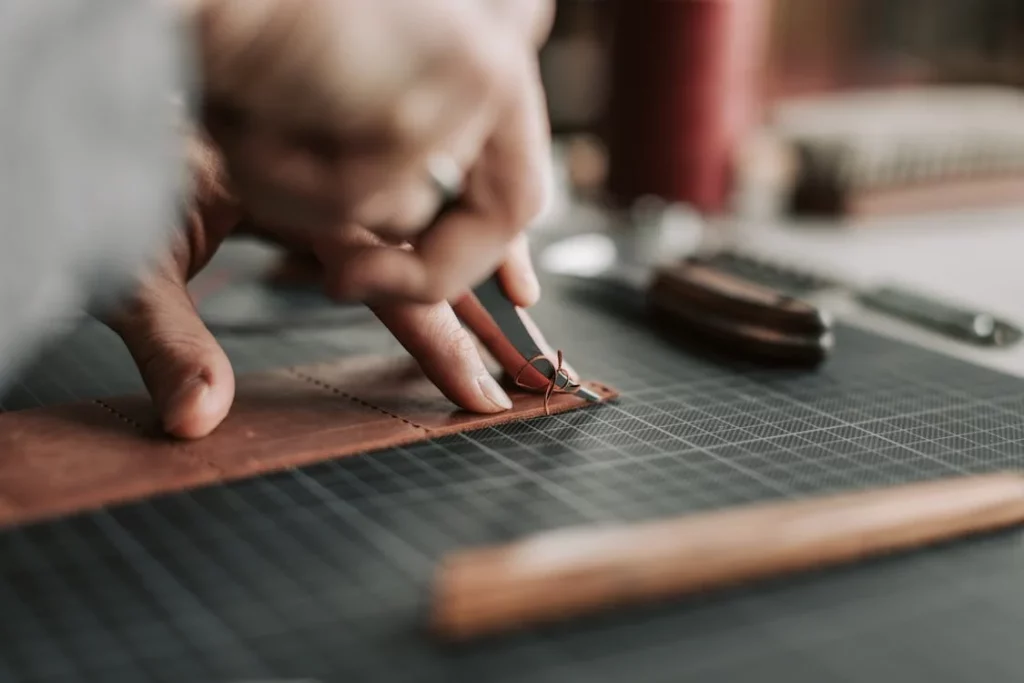
Зачистка кромок кожи для подготовки швов
Зачистка — это процесс точного утончения кромок вырезанных деталей из кожи.. Этот шаг важен для уменьшения объема в местах, где детали сшиты вместе.. Создавая конический край, следим за тем, чтобы швы лежали ровно, а складки были четкими, что напрямую способствует изысканному внешнему виду сумки и общей прочности конструкции.. Утонченные края также создают лучшую площадь поверхности для приклеивания клея перед сшиванием., что приводит к более прочной окончательной сборке.
- Края кожи утончены, чтобы обеспечить плавные переходы и предотвратить громоздкие швы..
- Этот процесс улучшает адгезию клея, обеспечивая более прочное соединение перед сшиванием..
- Правильная зачистка необходима для достижения профессиональных результатов., изысканная отделка сумок.
Структурное усиление поддерживающими материалами
Чтобы косметичка сохраняла заданную форму и выдерживала ежедневное использование., приклеиваем армирующие материалы к местам с повышенными нагрузками. Такие материалы, как ЭВА (этиленвинилацетат) применяются к таким местам, как углы, ручки базы, и точки крепления оборудования. Это добавляет критически важную структурную целостность и предотвращает растяжение или разрыв кожи с течением времени., и все это без ощущения жесткости или негибкости сумки.
- ЭВА или другие материалы приклеиваются к ключевым точкам напряжения, таким как углы и основания ручек..
- Армирование предотвращает растяжение и разрыв с течением времени., продление срока службы изделия.
- Это помогает сумке держать заданную форму., особенно когда заполнен.
Баланс ручных и машинных техник
Достижение качества и масштабируемости производства требует гибридного подхода к зачистке.. Мы давно используем высокоскоростные лыжные станки., прямые края для обеспечения равномерной толщины и стабильной производительности. Для более сложных изгибов или деликатных типов кожи., наши квалифицированные специалисты выполняют ручную зачистку. Такое сочетание позволяет нам поддерживать эффективность производства при больших заказах, сохраняя при этом пристальное внимание к деталям, что определяет высококачественный продукт..
- Машинная зачистка обеспечивает равномерную толщину и скорость., идеально подходит для масштабируемости.
- Ручная зачистка используется опытными мастерами для сложных деталей, требующих деликатного прикосновения..
- Этот гибридный подход оптимизирует как эффективность производства, так и эстетическое качество конечного пакета..
Шаг 4 Прокладка и построение структуры
Правильная конструкция здания, использование таких материалов, как пропитка и пена EVA., Это то, что отличает сумку, которая складывается, от сумки, которая сохраняет свою форму и долговечность на протяжении многих лет использования..
Применение сопряжения для обеспечения жесткости
Мы приглаживаем прокладку непосредственно на тканевые или кожаные панели, чтобы придать им необходимую структурную поддержку.. Этот процесс имеет основополагающее значение для жесткости., следить за тем, чтобы сумка сохраняла заданную форму и не разрушалась под собственным весом или во время использования.. Он обеспечивает базовую структуру, необходимую для премии., прочный продукт.
- Придает жесткость мягким материалам., позволяя сумке стоять самостоятельно.
- Помогает панелям и створкам сохранять свежесть., четко выраженный внешний вид.
- Предотвращает провисание материала и потерю формы с течением времени..
Адгезия ЭВА для структурной целостности
Для целевого армирования, приклеиваем Этилен-винилацетат (Ева) пена для конкретных компонентов. Этот легкий пенопласт обеспечивает упругую внутреннюю структуру, что значительно повышает прочность и долговечность сумки без увеличения веса.. В результате получается сумка, которая кажется солидной, но при этом остается практичной..
- Усиливает способность сумки сохранять форму в ключевых точках нагрузки..
- Повышает устойчивость сумки к ежедневному износу..
- Добавляет легкий, но прочный структурный слой без увеличения объема..
Укрепление точек высокого напряжения
Стратегическое размещение этих конструкционных материалов происходит перед окончательной сборкой.. Мы концентрируемся на укреплении тех областей, которые подвергаются наибольшему насилию — работе с привязанностями., углы, и база являются типичными примерами. Это гарантирует, что готовый продукт прослужит долго..
- Обеспечивает сохранение формы сумки и обеспечивает адекватную поддержку ее содержимого..
- Увеличивает долговечность мест соединения ручек и ремней..
- Гарантирует, что готовый продукт выдержит суровые условия частых путешествий и использования..
Шаг 5 Сборка и компьютеризированное сшивание
Эффективная сборка сочетает в себе эффективность компьютеризированной строчки первичных швов с целевой долговечностью ручного усиления в местах с высокой нагрузкой, таких как ручки и углы..
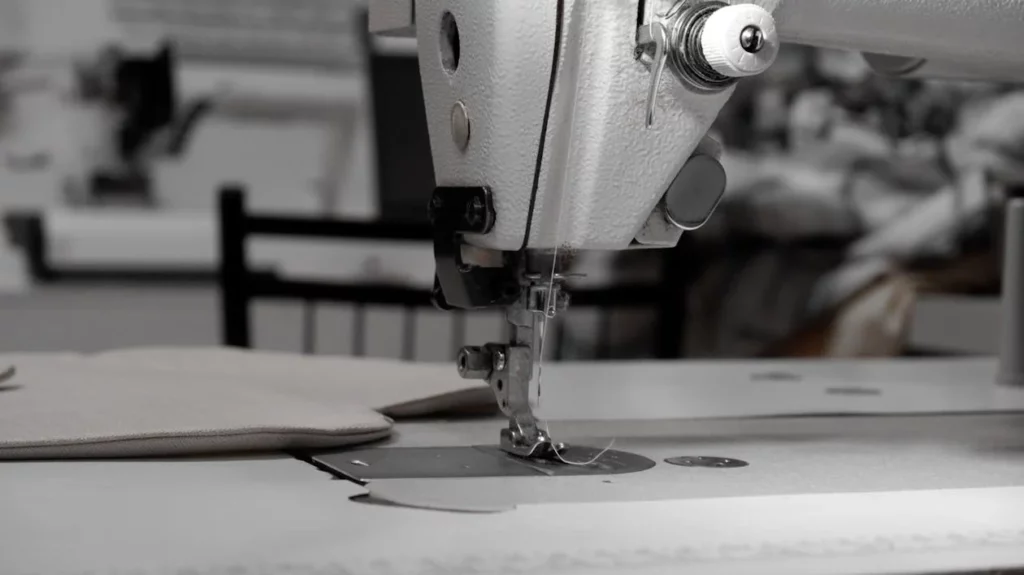
Точная строчка на промышленном оборудовании
В современной сборке кожаных сумок используются промышленные швейные машины, откалиброванные на оптимальную толщину ниток и плотность стежков.. Эти машины обеспечивают постоянный контроль натяжения и могут выполнять программируемые шаблоны., что важно для эффективности производства в больших объемах. Эта автоматизация гарантирует, что каждый блок соответствует одному и тому же структурному и эстетическому стандарту без ущерба для скорости..
- Компьютеризированное оборудование запрограммировано на определенные рисунки строчек, чтобы обеспечить единообразие дизайна во всех единицах..
- Автоматический контроль натяжения гарантирует надежность каждого стежка., способствуя общей структурной целостности сумки.
- Эта технология сочетает в себе традиционное мастерство с масштабируемостью, необходимой для современного производства..
| Особенность | Компьютеризированное шитье | Ручное сшивание внакидку |
|---|---|---|
| Основное приложение | Основные швы корпуса., большие панели, и декоративные узоры | Точки высокого напряжения: ручки, привязанности к ремешкам, углы |
| Скорость & Масштабируемость | Высокий; идеально подходит для массового производства и единообразия | Низкий; трудоемкий и предназначен для критических областей |
| Механизм долговечности | Зависит от постоянного натяжения машины (челночный стежок) | Каждый стежок представляет собой самозапирающийся узел.; не распутается, если сломается |
Укрепление зон повышенного напряжения
Хотя большую часть сборки выполняют машины, точкам повышенного напряжения, таким как крепления ручек, уделяется особое внимание. Здесь, традиционные методы, такие как седельная строчка, часто используются для обеспечения дополнительной прочности там, где это необходимо больше всего.. Этот гибридный подход гарантирует, что готовая сумка выдержит ежедневное использование без ущерба для эффективности производства основного корпуса..
- Ручки, ремни, и угловые швы идентифицируются как критические зоны напряжения..
- Опытные мастера используют ручные методы для укрепления этих конкретных частей..
- Такое сочетание автоматизированной эффективности и целенаправленного ручного усиления увеличивает срок службы продукции..
Промежуточные проверки качества
Quality assurance is integrated directly into the assembly stage, не осталось до конца. Промежуточные проверки и тщательная калибровка настроек машины выполняются, чтобы гарантировать структурную целостность, прежде чем мешок перейдет на этапы отделки.. Такой проактивный подход выявляет и устраняет потенциальные проблемы на ранней стадии..
- Супервайзеры проверяют выравнивание швов и однородность стежков в нескольких точках во время сборки..
- Швейные машины проходят регулярную калибровку для предотвращения дефектов и соблюдения стандартов качества..
- Этот процесс сокращает количество отходов и обеспечивает надежный конечный продукт..
Шаг 6 Обработка кромок и крепление оборудования
О качестве сумки часто судят по ее краям и фурнитуре.; этот шаг превращает продукт из набора деталей в готовое изделие путем устранения уязвимостей и установки функциональных компонентов..
Подготовка кромок и герметизация
Перед окончательной сборкой, необработанные края деталей из кожи и микрофибры подготовлены для долговечной отделки. Этот основополагающий этап не подлежит обсуждению для профессионального продукта.. Техники шлифуют и скашивают края, чтобы создать идеально гладкую и однородную поверхность., что гарантирует правильную адгезию герметиков или красок и предотвращает истирание в будущем.. Для кожи растительного дубления, края обычно полируются специальными инструментами.. В этом методе используется трение для естественного уплотнения волокон., производство полированного, темный, и очень прочный край без необходимости покраски.
Нанесение краевой краски
Для таких материалов, как кожа хромового дубления или кожа из микрофибры, где полировка неэффективна., используется многослойный процесс окраски кромок. Технические специалисты тщательно применяют специализированный, качественная покраска кромок в несколько тонких слоев. Адекватное время высыхания каждого слоя имеет решающее значение для создания прочного покрытия., гладкий, и гибкая отделка. Этот процесс не только обеспечивает чистоту сумки., профессиональный внешний вид, но также защищает уязвимые края от влаги и ежедневного износа.. Цвет краски точно соответствует основному материалу сумки или выбран в качестве сознательного акцента., вклад в окончательную эстетику дизайна.
Прикрепление молний, Застежки, и фитинги
Заключительный этап этого шага включает в себя надежное подключение всего оборудования.. Сюда входят молнии, магнитные застежки, пряжки, ремни якоря, и защитные ножки. Каждый компонент устанавливается с высокой точностью, чтобы обеспечить правильное выравнивание и бесперебойную работу.. Молнии и застежки пришиты или приклепаны на место., гарантируя, что они работают без заеданий или сбоев в условиях стресса. Все металлические фитинги надежно закреплены, чтобы выдерживать требования в поездках и регулярном использовании., напрямую влияет на долговечность сумки и удобство использования.
Шаг 7 Окончательная очистка и придание формы
Заключительные этапы очистки и формования служат критерием качества., использование специальных кондиционеров и методов структурной фиксации, чтобы каждая сумка имела безупречный внешний вид и сохраняла свой предполагаемый силуэт..
Очистка поверхности и удаление остатков
В 2026, заключительный этап очистки направлен на удаление остатков клея, пыль, или обработка следов производственного процесса. Это ворота критического качества, обеспечивающие безупречную поверхность каждого пакета перед его упаковкой..
- Технические специалисты используют мягкие, неабразивные ткани и специализированные, экологически чистые кондиционеры для бережной очистки всех поверхностей из кожи и микрофибры..
- Растворители на водной основе используются для растворения остатков производства без повреждения целостности и цвета материала..
- Ручная проверка следует за процессом очистки, чтобы гарантировать единообразный и бездефектный внешний вид всего продукта..
Структурное формирование и установка формы
После уборки, каждая сумка подвергается процессу формования, чтобы определить ее предполагаемую структуру и форму.. Этот шаг гарантирует, что косметичка сохранит свой правильный силуэт на всем пути от завода до конечного пользователя..
- Мешки заполняются специальными внутренними опорами или помещаются в формы, соответствующие их окончательным конструктивным размерам..
- Контролируемый, можно применить мягкое тепло или давление, чтобы помочь коже принять постоянную форму..
- Этот процесс укрепляет структуру сумки., предотвращение сминания или деформации во время транспортировки и хранения.
Защитная отделка и окончательная полировка
Последний шаг включает в себя применение передовых методов отделки, которые повышают эстетическую привлекательность сумки и повышают ее долговечность.. Эти методы добавляют последний уровень защиты и придают изделию ощущение премиальности..
- Свет, наносится защитный воск или кондиционирующий крем для питания кожи и придания ей легкого блеска..
- Для определенных дизайнов, такие методы, как полировка кромок или глазурь, используются для создания гладкой поверхности., герметичная отделка.
- Механическая полировка в сочетании с ручной полировкой обеспечивает равномерный блеск и подготавливает сумку к окончательной проверке качества..
Шаг 8 Контроль качества
Современная система контроля качества больше не является заключительным этапом, а представляет собой многоэтапный процесс, интегрированный от приема сырья до окончательного аудита., Сосредоточение внимания на раннем обнаружении дефектов для сокращения отходов и обеспечения единообразия партий..
Проверка материалов перед производством
Прежде чем начнется любое производство, каждое сырье — от кожи и микрофибры до металлической фурнитуры — проходит строгий контроль.. Этот первоначальный шлюз предотвращает попадание в производственный поток материалов, которые не соответствуют стандартам качества и эстетики.. Проверяем марку материала, консистенция цвета, и текстура по утвержденным образцам. Процесс также включает в себя проверку на наличие естественных дефектов или повреждений при транспортировке, а также проверку всего оборудования на долговечность и правильность механического функционирования..
| Этап контроля качества | Ключевой фокус | Основная цель |
|---|---|---|
| Предпроизводственная проверка | Марка материала, консистенция цвета, долговечность оборудования, и проверка дефектов. | Предотвратить попадание некачественных материалов на производственную линию. |
| Текущие проверки | Точность строчки, прочность шва, применение армирования, и аппаратное выравнивание. | Выявляйте и исправляйте отклонения сборки в режиме реального времени.. |
| Заключительный многоточечный аудит | Общая эстетика, форма, функциональное тестирование (молнии, застежки), и удаление дефектов. | Подтвердите, что каждая единица соответствует спецификациям клиента и стандартам эталонных образцов.. |
Проверки мастерства в процессе
Обеспечение качества встроено непосредственно в сборочную линию., не сохранено на конец. Наши специалисты проводят постоянные выборочные проверки на ключевых этапах производства., от раскроя до сшивания. Такой подход позволяет нам немедленно выявлять и исправлять любые отклонения от стандарта.. Следим за точностью строчки и прочностью шва., подтвердить правильность применения армирующих элементов и прокладок, и проверяйте правильность выравнивания и крепления всего оборудования во время сборки продукта..
Заключительный многоточечный аудит
Каждая укомплектованная дорожная сумка подвергается комплексной окончательной проверке с использованием подробного многоточечного контрольного списка.. Этот аудит является последней линией защиты, подтверждение того, что каждая деталь соответствует утвержденному эталонному образцу и спецификациям клиента. Аудит включает в себя полную эстетическую оценку внешнего вида и формы сумки., функциональное тестирование всех молний, застежки, и ремни, и окончательная проверка на наличие оставшихся дефектов или производственных знаков перед отправкой пакета для упаковки..
Заключение
Изготовление кожаной косметички премиум-класса требует тщательного внимания на каждом этапе.. Процесс, от точного кроя и компьютеризированного шитья до многоточечного контроля качества, напрямую влияет на долговечность и эстетику конечного продукта.. Соблюдение этих структурированных шагов гарантирует, что каждая сумка отражает приверженность вашего бренда качеству..
Если вы готовы изготовить косметичку, соответствующую этим стандартам, свяжитесь с нашей командой to discuss your project specifications. Мы также можем предоставить образец для демонстрации качества нашей продукции..
Часто задаваемые вопросы
Что такое зачистка в кожевенной работе?
Зачистка — это фундаментальная техника обработки кожи, при которой края куска кожи утончаются или скашиваются.. Этот процесс важен для уменьшения объема швов, где соединяются несколько слоев., позволяющий использовать уборщика, более изысканный, и прочная конструкция. Создавая конический край, зачистка гарантирует, что сложенные края лежат ровно, а швы сидят на одном уровне., что значительно повышает эстетическую и структурную целостность конечного продукта..
Почему важно армирование?
Армирование имеет решающее значение для обеспечения долговечности и структурной целостности кожаных сумок.. Он включает в себя добавление вторичного слоя материала в точки с высоким напряжением., например, ручки-насадки, ремни якоря, углы, и области вокруг оборудования. Этот процесс распределяет вес и напряжение., предотвращение растяжения кожи, деформирующий, или порвется со временем. Правильное армирование является ключом к долговечности продукта и является признаком высококачественного производства..
Как обеспечить ровную строчку??
Мы добиваемся последовательного, высококачественная строчка благодаря многогранному подходу. Это включает в себя использование расширенных, регулярно калибруемые промышленные швейные машины, использование квалифицированных технических специалистов с обширной подготовкой, и использование специальных приспособлений и направляющих для обеспечения идеального выравнивания и одинаковой длины стежка.. Более того, мы используем нити премиум-класса и осуществляем строгие поточные и окончательные проверки качества, чтобы убедиться, что каждый стежок соответствует нашим точным стандартам натяжения и эстетики..
Какой клей используется для кожаных сумок?
В профессиональном производстве кожаных сумок, мы в основном используем высокопрочные, гибкие контактные клеи. Полиуретан на водной основе (ПУ) или неопреновые цементы являются современным отраслевым стандартом., пользуется популярностью за свою сильную, прочное соединение и меньшее воздействие на окружающую среду по сравнению со старыми вариантами на основе растворителей. Эти клеи применяются для временного и точного скрепления деталей перед сшиванием., обеспечение того, чтобы швы не смещались, а края оставались идеально ровными во время окончательной сборки.
Сколько времени занимает изготовление?
Сроки изготовления зависят от сложности конструкции., поиск материалов, и объем заказа. В целом, после завершения разработки проекта и утверждения образца (который может занять 2-4 недели), Стандартный производственный цикл заказа косметички может занять около 30-60 дни. Мы предоставим более точный график, как только получим полные спецификации проекта., обеспечение четкой коммуникации и ожиданий доставки.
Могу ли я посетить фабрику?
Да, мы приветствуем наших клиентов, чтобы запланировать посещение нашей фабрики. Мы верим в полную прозрачность и гордимся нашими производственными процессами и стандартами контроля качества.. Чтобы гарантировать, что мы можем предоставить вам комплексную экскурсию и посвятить необходимое время, пожалуйста, свяжитесь с нашим отделом продаж, чтобы заранее договориться о визите.