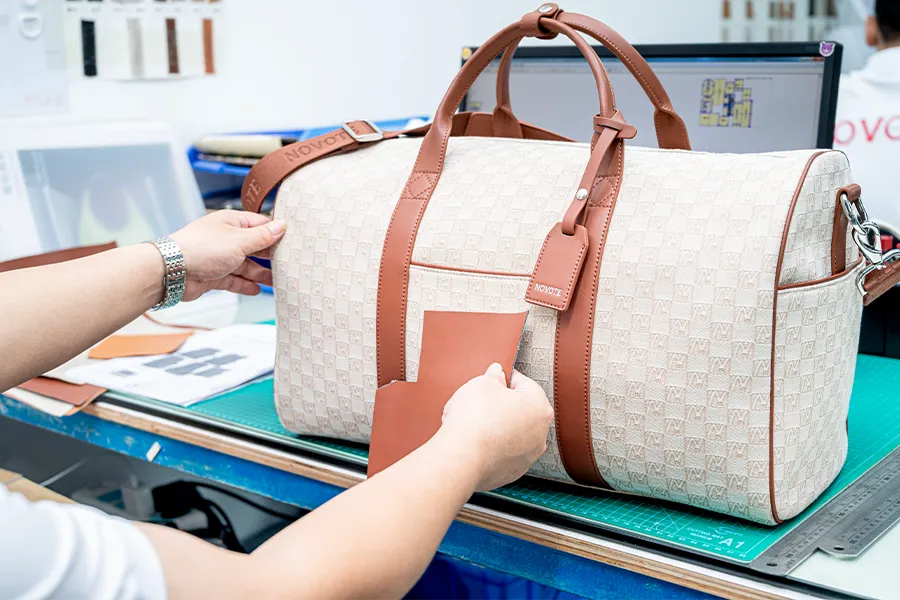


Microfiber leather has become one of the most popular materials in the bag industry. It offers the look and feel of genuine leather with better water resistance, easier maintenance, and a lower environmental footprint. For brands and retailers, finding the right microfiber leather bag manufacturer is a critical decision that affects product quality, delivery timelines, and long-term business relationships.
This guide covers what to look for when evaluating manufacturers, based on common questions from B2B buyers in the bag industry.
What Is Microfiber Leather?
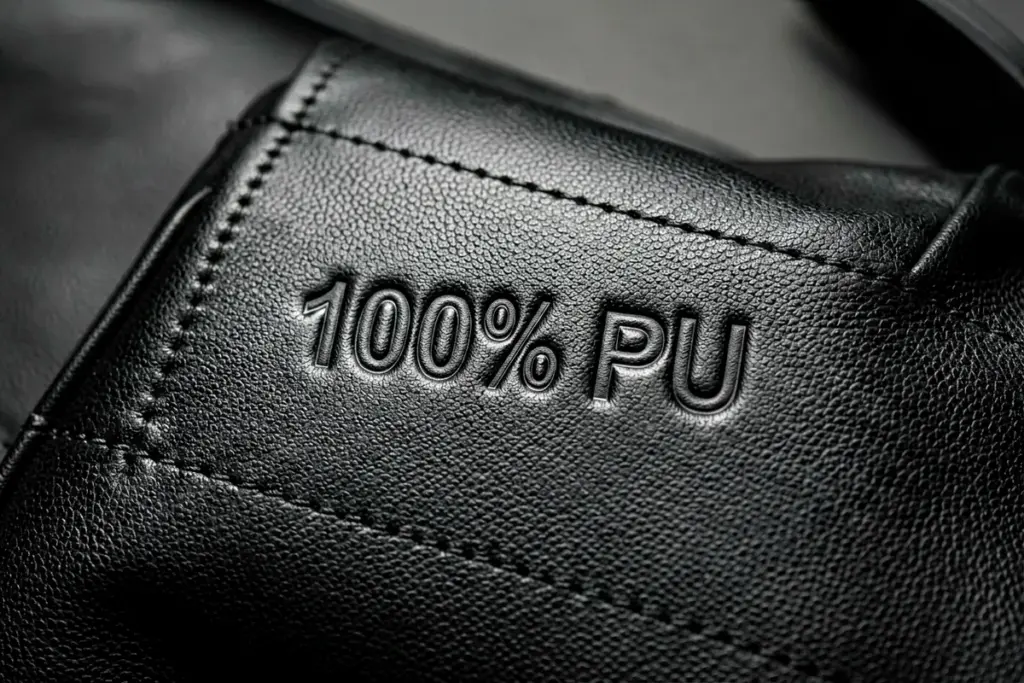
Before evaluating manufacturers, it helps to understand the material. Microfiber leather is a high-quality synthetic material made from an ultra-fine fiber base layer coated with polyurethane (PU). Unlike basic PU leather, microfiber leather closely mimics the texture, breathability, and aging characteristics of genuine leather. For a detailed breakdown, see our guide: What is Microfiber Leather: Pros, Cons, Uses.
Key properties that make microfiber leather attractive for bag manufacturing:
- Durability: Resistant to scratches, peeling, and fading
- Water resistance: Unlike genuine leather, it does not absorb moisture easily
- Consistency: Uniform texture and color across production batches
- Ethical sourcing: No animal products involved, making it suitable for vegan product lines
- Cost efficiency: Typically 30–60% less expensive than genuine leather per unit
7 Factors to Evaluate in a Microfiber Leather Bag Manufacturer
1. Material Quality Standards
The quality of microfiber leather varies significantly between suppliers. A reliable manufacturer should be able to provide:
- Material specifications including thickness (typically 0.8–1.4mm for bags), weight, and tensile strength
- Color consistency guarantees across production batches
- Test reports for abrasion resistance, peel strength, and colorfastness
- Sample swatches for your evaluation before committing to a production order
Ask to see physical samples and compare them against your quality benchmarks. A manufacturer confident in their material will have no problem providing samples at the inquiry stage.
2. Production Capacity and Lead Time
Match the manufacturer’s capacity to your order requirements:
- Monthly output capacity for your bag type
- Standard lead time for samples (typically 7–15 days) and bulk orders (30–60 days)
- Ability to handle rush orders or seasonal volume spikes
- Number of production lines dedicated to bag manufacturing
A manufacturer with excess capacity may offer faster turnaround but could lack specialization. One running at full capacity may deliver higher quality but with longer lead times. Find the balance that works for your business timeline.
3. Customization Capability
Your brand needs products that stand out. Evaluate the manufacturer’s ability to deliver on:
- Logo application methods: embossing, debossing, screen printing, metal plates
- Custom color matching (Pantone or RAL standards)
- Hardware customization: branded zipper pulls, custom buckles, engraved clasps
- Packaging design: branded dust bags, gift boxes, hang tags
- Minimum order quantities for each customization option
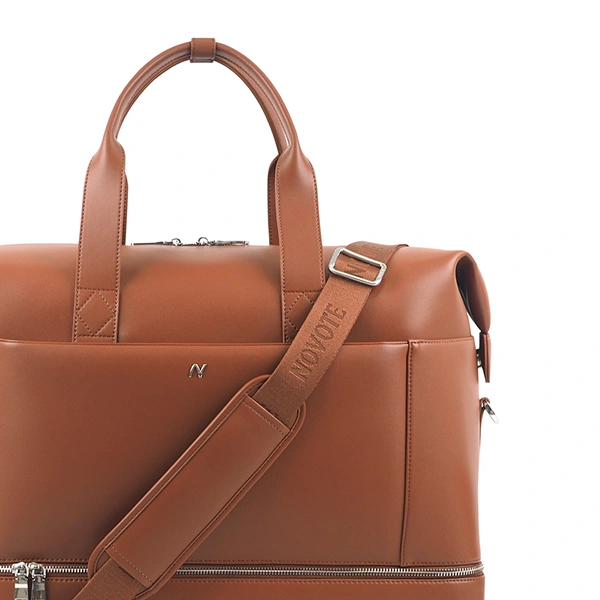
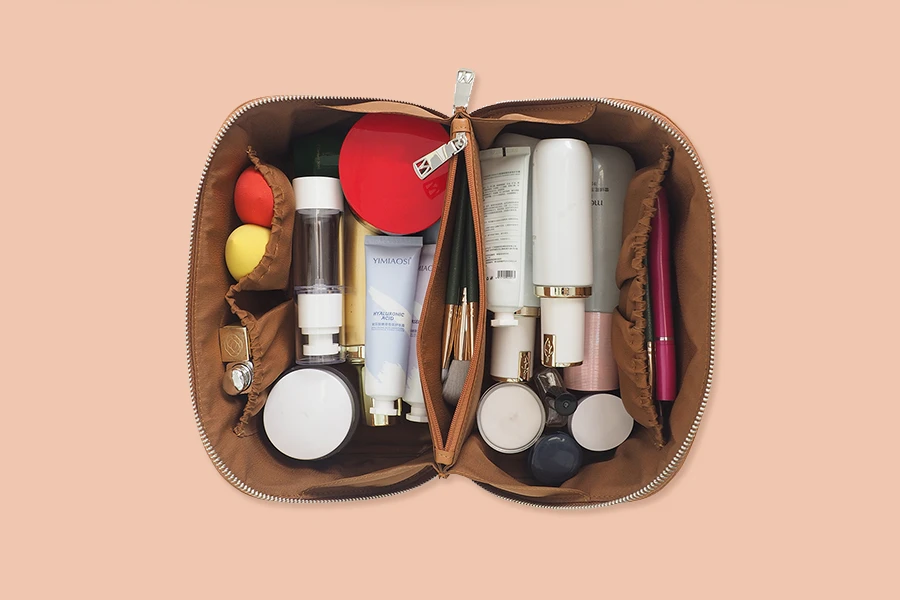
Review their product catalog to see the range of bag types they produce — from cosmetic bags and business bags to weekend bags and duffle bags. A diverse catalog signals versatile production capability.
4. Quality Control Process
A structured quality control system prevents defects before they reach your warehouse. Ask about:
- Incoming material inspection procedures
- In-process quality checks during cutting, stitching, and assembly
- Final inspection standards: stitching consistency, zipper function, hardware attachment, edge finishing
- AQL (Acceptable Quality Level) standards and defect rate targets
- Third-party testing options for chemical compliance (REACH, Prop 65) and physical durability
A manufacturer with a documented QC process is more likely to deliver consistent quality. Understanding the difference between OEM and ODM models helps you set the right expectations. across orders. For more on factory quality standards, see our article on the leather bag making process.
5. Compliance and Certifications
Different markets have different regulatory requirements. Confirm the manufacturer can meet the standards for your target market:
- REACH compliance for the European market (chemical restrictions)
- Prop 65 compliance for the US / California market
- ISO 9001 certification as evidence of quality management systems
- Material testing reports from accredited laboratories (SGS, Intertek, BV)
Certifications cost time and money to maintain. A manufacturer that holds current certifications is demonstrating a commitment to quality and compliance.
6. Pricing Transparency and MOQ
Clear pricing helps you plan your business. A trustworthy manufacturer will provide:
- Itemized quotes showing material, labor, hardware, and packaging costs separately
- Clear MOQ requirements (typically 100–500 pieces per style for custom bags)
- Price break schedules at standard quantity thresholds
- Sample pricing and policies
- Clear terms on what is included: FOB, CIF, or DDP pricing
Be cautious of quotes that seem unusually low. For a detailed look at what drives custom leather bag pricing, see our cost guide. — they may cut corners on material quality or hide additional charges that appear later in the process.
7. Communication and Reliability
The manufacturing relationship extends beyond a single order. Evaluate:
- Response time to inquiries (within 24 hours is standard)
- Proactive production updates and photo reports
- English proficiency of the sales team
- Willingness to accommodate changes and solve problems
- Track record with existing clients (ask for references)
Good communication prevents misunderstandings that lead to costly rework. A manufacturer who communicates clearly during the inquiry stage will likely maintain that standard throughout production.
Red Flags to Watch For
- Refusal to provide factory photos or allow virtual/in-person factory visits
- No material testing reports available
- Prices far below market average without clear explanation
- Pressure to pay full amount before production begins
- Vague or evasive answers about production capacity or lead times
- Unwillingness to share references from existing clients
Frequently Asked Questions
How do I verify if a manufacturer uses genuine microfiber leather?
Request material test reports from accredited labs, physical sample swatches for your own evaluation, and details on the material source. Genuine microfiber leather has a consistent fiber structure visible on the back side, unlike basic PU leather which has a fabric backing.
What MOQ should I expect?
Most microfiber leather bag manufacturers set MOQs between 100 and 500 pieces per style. Some offer lower MOQs for first-time orders or sample runs, but at a higher per-unit cost.
How long does production take?
Sample production typically takes 7–15 days. Bulk production takes 30–60 days after sample approval, depending on order size and design complexity.
Should I visit the factory before placing an order?
If possible, yes. A factory visit lets you assess production capabilities, equipment, quality control processes, and working conditions firsthand. For overseas orders, a video call walkthrough is a practical alternative.
Can one manufacturer handle different bag types?
Many manufacturers produce multiple bag categories — from cosmetic bags to messenger bags and laptop bags. Check their product range and ask about their specialization.
Conclusion
Choosing the right microfiber leather bag manufacturer requires evaluating material quality, production capacity, customization capability, quality control, compliance, pricing, and communication. Take the time to compare multiple options, request samples, and verify credentials before committing.
If you are looking for a microfiber leather bag manufacturer, contact NOVOTE to discuss your project requirements and request samples.