

El cuero de microfibra se ha convertido en uno de los materiales más populares en la industria de los bolsos.. Ofrece la apariencia y el tacto del cuero genuino con mejor resistencia al agua., mantenimiento más fácil, y una menor huella ambiental. Para marcas y minoristas, Encontrar el fabricante adecuado de bolsos de cuero de microfibra es una decisión crítica que afecta la calidad del producto., plazos de entrega, y relaciones comerciales a largo plazo.
Esta guía cubre qué buscar al evaluar fabricantes., Basado en preguntas comunes de compradores B2B en la industria de bolsos..
¿Qué es el cuero de microfibra??
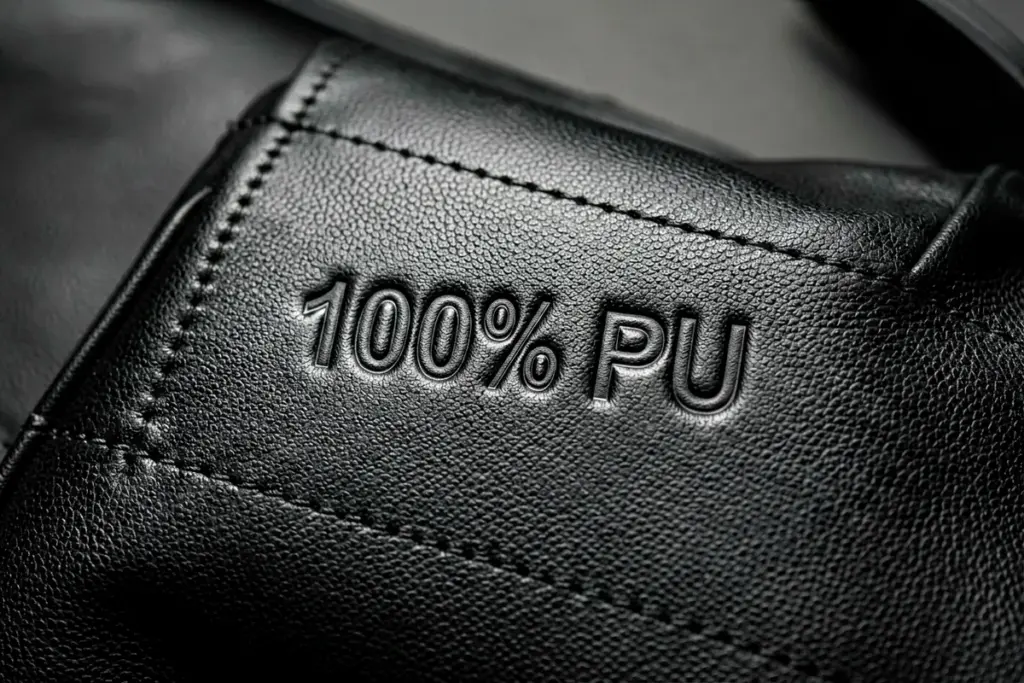
Antes de evaluar a los fabricantes, ayuda a entender el material. El cuero de microfibra es un material sintético de alta calidad elaborado a partir de una capa base de fibra ultrafina recubierta con poliuretano. (PUS). A diferencia del cuero PU básico, El cuero de microfibra imita fielmente la textura., transpirabilidad, y características de envejecimiento del cuero genuino. Para un desglose detallado, ver nuestra guía: ¿Qué es el cuero de microfibra?: Pros, Contras, Usos.
Propiedades clave que hacen que el cuero de microfibra sea atractivo para la fabricación de bolsos:
- Durabilidad: Resistente a los rayones, peladura, y desvaneciéndose
- Resistencia al agua: A diferencia del cuero genuino, no absorbe la humedad fácilmente
- Consistencia: Textura y color uniformes en todos los lotes de producción.
- Abastecimiento ético: No hay productos animales involucrados., haciéndolo adecuado para líneas de productos veganos
- Eficiencia de costos: Normalmente entre un 30% y un 60% menos costoso que el cuero genuino por unidad
7 Factores a evaluar en un fabricante de bolsos de cuero de microfibra
1. Estándares de calidad de materiales
La calidad del cuero de microfibra varía significativamente entre proveedores.. Un fabricante confiable debería poder proporcionar:
- Especificaciones del material, incluido el espesor. (normalmente entre 0,8 y 1,4 mm para bolsas), peso, y resistencia a la tracción
- Garantías de uniformidad del color en todos los lotes de producción
- Informes de prueba de resistencia a la abrasión., fuerza de pelado, y solidez del color
- Muestras de muestra para su evaluación antes de comprometerse con un pedido de producción
Solicite ver muestras físicas y compárelas con sus puntos de referencia de calidad.. Un fabricante que confía en su material no tendrá problemas en proporcionar muestras en la fase de consulta..
2. Capacidad de producción y plazo de entrega
Haga coincidir la capacidad del fabricante con los requisitos de su pedido:
- Capacidad de producción mensual para su tipo de bolsa
- Plazo de entrega estándar para muestras. (normalmente de 7 a 15 días) y pedidos al por mayor (30–60 días)
- Capacidad para manejar pedidos urgentes o picos de volumen estacionales
- Número de líneas de producción dedicadas a la fabricación de bolsas.
Un fabricante con exceso de capacidad puede ofrecer una respuesta más rápida pero podría carecer de especialización.. Uno que funcione a plena capacidad puede ofrecer mayor calidad pero con plazos de entrega más largos.. Encuentre el equilibrio que funcione para el cronograma de su negocio.
3. Capacidad de personalización
Tu marca necesita productos que destaquen. Evaluar la capacidad del fabricante para cumplir:
- Métodos de aplicación del logotipo: realce, grabado, serigrafía, placas de metal
- Combinación de colores personalizada (Estándares Pantone o RAL)
- Personalización de hardware: tiradores de cremallera de marca, hebillas personalizadas, cierres grabados
- Diseño de envases: bolsas de polvo de marca, cajas de regalo, colgar etiquetas
- Cantidades mínimas de pedido para cada opción de personalización
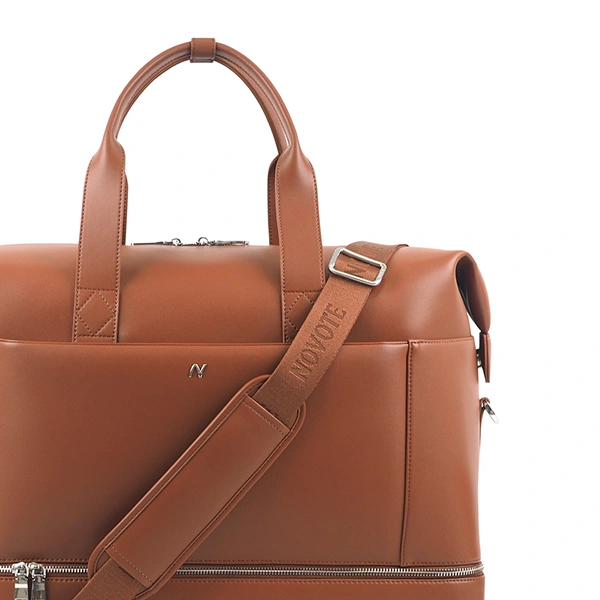
Revise su catálogo de productos para ver la variedad de tipos de bolsas que producen, desde bolsas cosméticas y bolsas de negocios a bolsas de fin de semana y bolsas de lona. Un catálogo diverso indica una capacidad de producción versátil.
4. Proceso de control de calidad
Un sistema de control de calidad estructurado previene los defectos antes de que lleguen a su almacén.. Preguntar por:
- Procedimientos de inspección de material entrante.
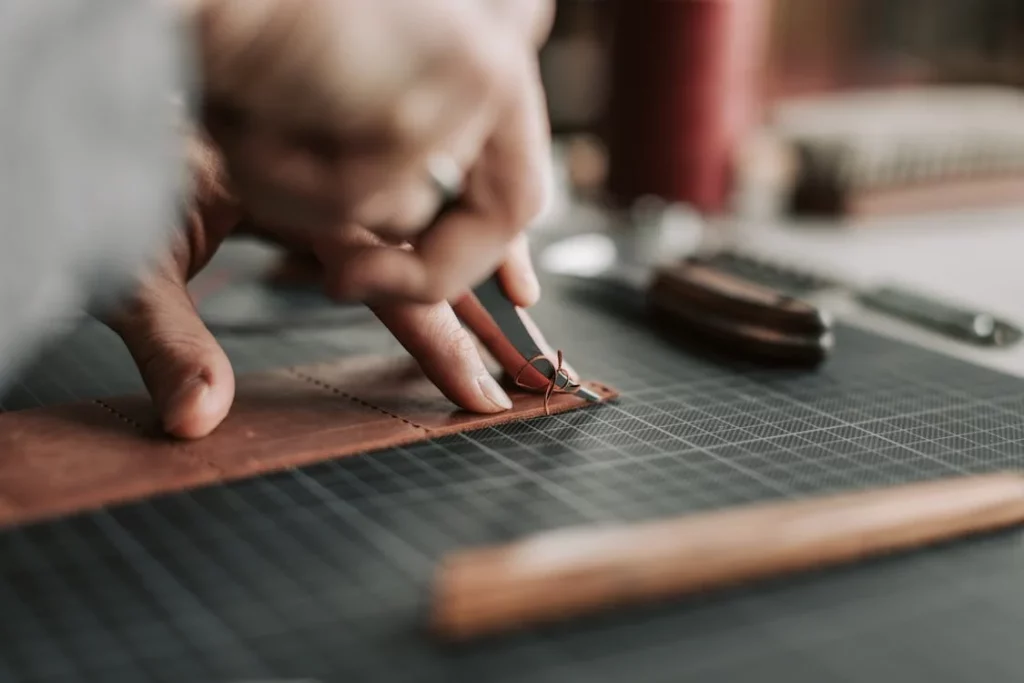
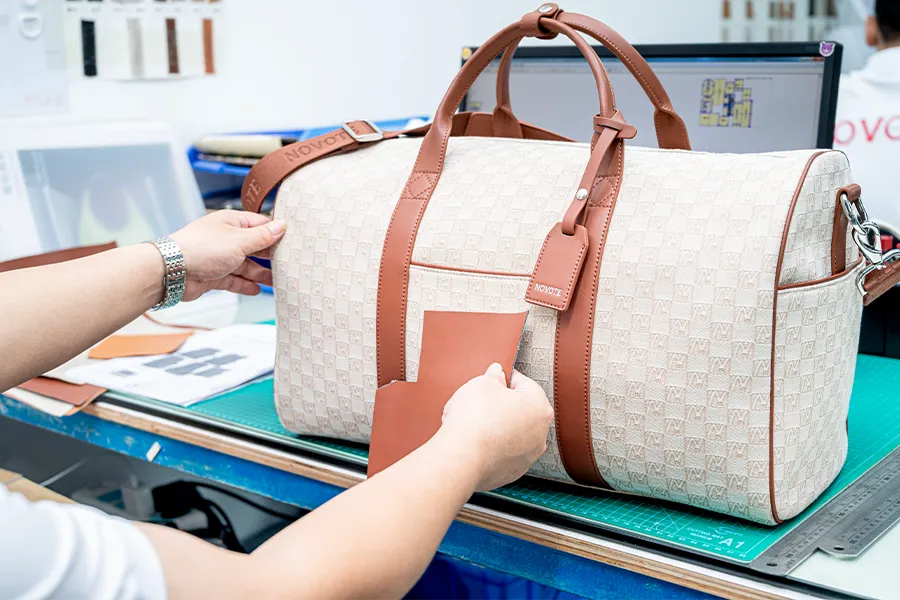
- Controles de calidad en proceso durante el corte., puntadas, y montaje
- Normas de inspección final: consistencia de costura, función de cremallera, accesorio de hardware, acabado de borde
- AQL (Nivel de calidad aceptable) estándares y objetivos de tasa de defectos
- Opciones de pruebas de terceros para el cumplimiento de sustancias químicas (ALCANZAR, Apuntalar 65) y durabilidad física
A manufacturer with a documented QC process is more likely to deliver consistent quality. Understanding the difference between OEM y ODM models helps you set the right expectations. across orders. Para obtener más información sobre los estándares de calidad de fábrica, vea nuestro artículo sobre el proceso de fabricación de bolsos de cuero.
5. Cumplimiento y Certificaciones
Diferentes mercados tienen diferentes requisitos regulatorios. Confirme que el fabricante pueda cumplir con los estándares para su mercado objetivo.:
- Cumplimiento de REACH para el mercado europeo (restricciones químicas)
- Apuntalar 65 cumplimiento para los estados unidos / mercado de california
- ISO 9001 proceso de dar un título como evidencia de sistemas de gestión de calidad
- Informes de pruebas de materiales. de laboratorios acreditados (SGS, Intertek, VB)
Mantener las certificaciones cuesta tiempo y dinero. Un fabricante que posee certificaciones vigentes está demostrando un compromiso con la calidad y el cumplimiento..
6. Transparencia de precios y MOQ
Los precios claros le ayudan a planificar su negocio. Un fabricante confiable proporcionará:
- Cotizaciones detalladas que muestran material., mano de obra, hardware, y costos de embalaje por separado
- Requisitos claros de MOQ (normalmente entre 100 y 500 piezas por estilo para bolsas personalizadas)
- Programas de reducción de precios en umbrales de cantidad estándar
- Ejemplos de precios y políticas
- Términos claros sobre lo que está incluido.: ENGAÑAR, CIF, o precios DDP
Be cautious of quotes that seem unusually low. For a detailed look at what drives custom leather bag pricing, see our cost guide. — they may cut corners on material quality or hide additional charges that appear later in the process.
7. Comunicación y confiabilidad
La relación de fabricación se extiende más allá de un solo pedido.. Evaluar:
- Tiempo de respuesta a consultas (dentro 24 el horario es estándar)
- Actualizaciones proactivas de producción y reportajes fotográficos.
- Dominio del inglés del equipo de ventas.
- Voluntad de adaptarse a los cambios y resolver problemas.
- Historial con clientes existentes (pedir referencias)
Una buena comunicación evita malentendidos que conducen a costosas repeticiones de trabajo.. Un fabricante que se comunica claramente durante la etapa de consulta probablemente mantendrá ese estándar durante toda la producción..
Banderas rojas a tener en cuenta
- Negarse a proporcionar fotografías de la fábrica o permitir visitas virtuales o en persona a la fábrica
- No hay informes de pruebas de materiales disponibles
- Precios muy por debajo del promedio del mercado sin una explicación clara
- Presión para pagar el importe total antes de que comience la producción.
- Respuestas vagas o evasivas sobre la capacidad de producción o los plazos de entrega.
- Falta de voluntad para compartir referencias de clientes existentes.
Preguntas frecuentes
¿Cómo verifico si un fabricante utiliza cuero de microfibra genuino??
Solicite informes de pruebas de materiales de laboratorios acreditados, muestras de muestra físicas para su propia evaluación, y detalles sobre la fuente del material. El cuero de microfibra genuino tiene una estructura de fibra consistente visible en la parte posterior, a diferencia del cuero PU básico que tiene un respaldo de tela.
¿Qué MOQ debo esperar??
La mayoría de los fabricantes de bolsos de cuero de microfibra establecen MOQ entre 100 y 500 piezas por estilo. Algunos ofrecen MOQ más bajos para pedidos por primera vez o ejecuciones de muestra., pero a un costo unitario más alto.
¿Cuánto tiempo lleva la producción??
La producción de muestras suele tardar entre 7 y 15 días.. La producción a granel tarda entre 30 y 60 días después de la aprobación de la muestra., dependiendo del tamaño del pedido y la complejidad del diseño.
¿Debo visitar la fábrica antes de realizar un pedido??
Si es posible, Sí. Una visita a la fábrica le permite evaluar las capacidades de producción., equipo, procesos de control de calidad, y condiciones de trabajo de primera mano. Para pedidos en el extranjero, un tutorial de videollamada es una alternativa práctica.
¿Puede un fabricante manejar diferentes tipos de bolsas??
Muchos fabricantes producen múltiples categorías de bolsas, desde bolsas cosméticas a bolsas de mensajero y bolsas para portátiles. Consulta su gama de productos y pregunta por su especialización.
Conclusión
Elegir el fabricante adecuado de bolsos de cuero de microfibra requiere evaluar la calidad del material, capacidad de producción, capacidad de personalización, control de calidad, cumplimiento, fijación de precios, y comunicación. Tómese el tiempo para comparar múltiples opciones, solicitar muestras, y verificar las credenciales antes de comprometerse.
Si buscas un fabricante de bolsos de piel de microfibra., contacto NOVOTAR para discutir los requisitos de su proyecto y solicitar muestras.