コンテンツにスキップ



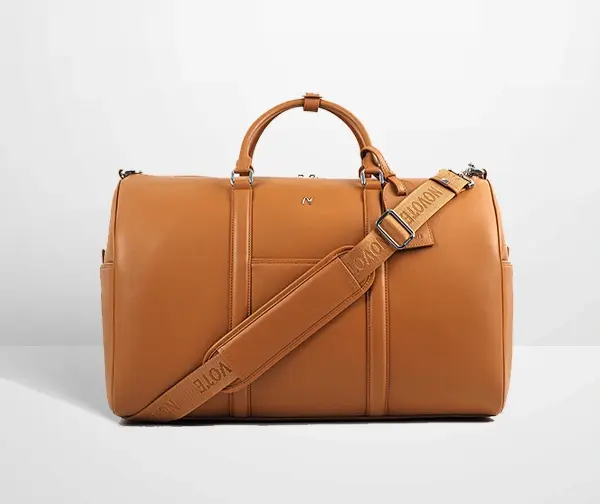
a custom travel bag collection brings multiple styles together under one brand identity. Shared design elements, 材料, and hardware help create a consistent product range while allowing each bag to serve a different travel need. Careful planning also helps brands manage development costs, product positioning, and inventory.
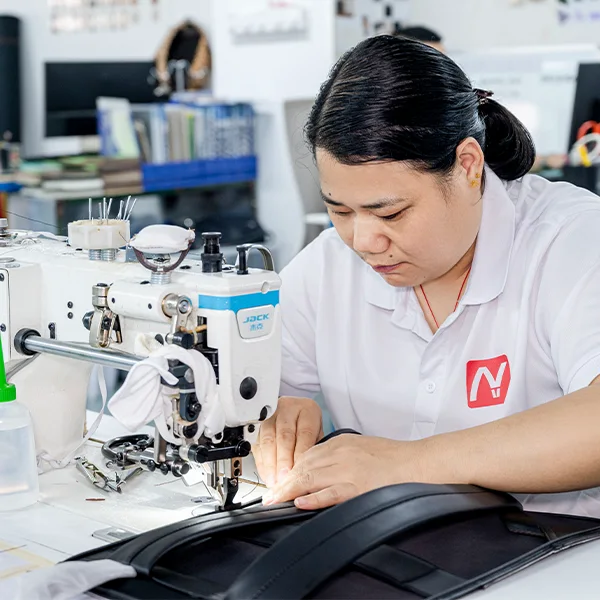
At our Guangzhou factory, we work with brands on travel bag design, サンプリング, そして生産. The following sections cover collection planning, product selection, material and feature specifications, and the development process. These steps help buyers prepare clearer briefs and reduce unnecessary revisions during sampling.
How Should Brands Plan a Travel Bag Collection?

Plan the collection for the travelers you serve, not for the bags you like.
Planning decides whether the collection has a spine. Three questions set it: who carries the bags, what do they compare you against, and where does the line sit on price. Answering them before sampling protects both the budget and the launch date.
Identify Target Customers and Travel Scenarios
Start from travel behavior rather than demographics. Weekend couples pack differently from commuting professionals, and families on long flights need capacity that business travelers never request. List the two or three scenarios your brand will serve, then map each scenario to the styles that solve it. A collection built this way avoids the duplicate weekender problem before it starts.
Research Market Demand and Competitor Products
Look at what sells in your channel, not only what looks good in catalogs. Review bestseller lists, read customer comments on competitor styles, and note which features buyers mention with pleasure or complaint. Official trade resources such as trade.gov help when you need market and export context for a new region. The goal is a feature list backed by evidence, which your factory can turn into specifications.
Define Product Positioning and Price Ranges
Positioning decides materials before anything else. A premium anchor in genuine leather, a mid core in microfiber or canvas, and an entry style in nylon or PU give the range three clear price conversations. Write the ranges down, because every later choice, from zipper grade to packaging, must respect them. Mixed signals confuse retailers faster than missing sizes.
Which Travel Bag Styles Should a Brand Include?

Four core styles cover most programs without crowding the line.
Most collections open with four styles that cover short trips, flexible storage, hands free carry, and daily use. These four keep the first season simple to manage and easy to explain to retail buyers. The sections below describe the role each one plays.
Weekender Bags for Short Trips
Weekender bags are designed for short trips and overnight travel. Their capacity, 構造, and material options can be adjusted to suit different price positions. Features such as structured panels, leather trims, コーティングされたキャンバス, and separate shoe compartments can add function and help distinguish the style within a collection.
Duffel Bags for Flexible Storage
Duffel bags offer flexible storage for clothing, スポーツギア, and other bulky items. Their soft-sided construction and wide openings make packing easier, while optional shoulder straps or backpack straps provide different carrying options. Offering two or more sizes can help brands serve customers with different storage needs.
Travel Backpacks for Hands-Free Carrying
Backpacks serve commuters and cabin only travelers who want both hands free. A laptop sleeve, an organized front panel, and a luggage pass through band are the features buyers expect. This style is the most engineered of the four, so budget development time for strap comfort and back panel design.
トートバッグ for Everyday and Travel Use
Totes bridge daily use and travel, which makes them the natural extension piece of the range. A broad main compartment, a zip top for security, and slip pockets for documents cover most needs. Totes also ride on rolling handles, pairing naturally with the larger styles and raising the value of every unit sold.
Your Custom Travel Bag Collection Starts With a Brief

How Should Brands Select Materials and Functional Features?

Materials and features are the spec sheet your customers will never read but always feel.
Material and feature decisions should follow the positioning set in planning. Four areas need explicit choices rather than defaults.
Choosing Fabrics for Different Product Positions
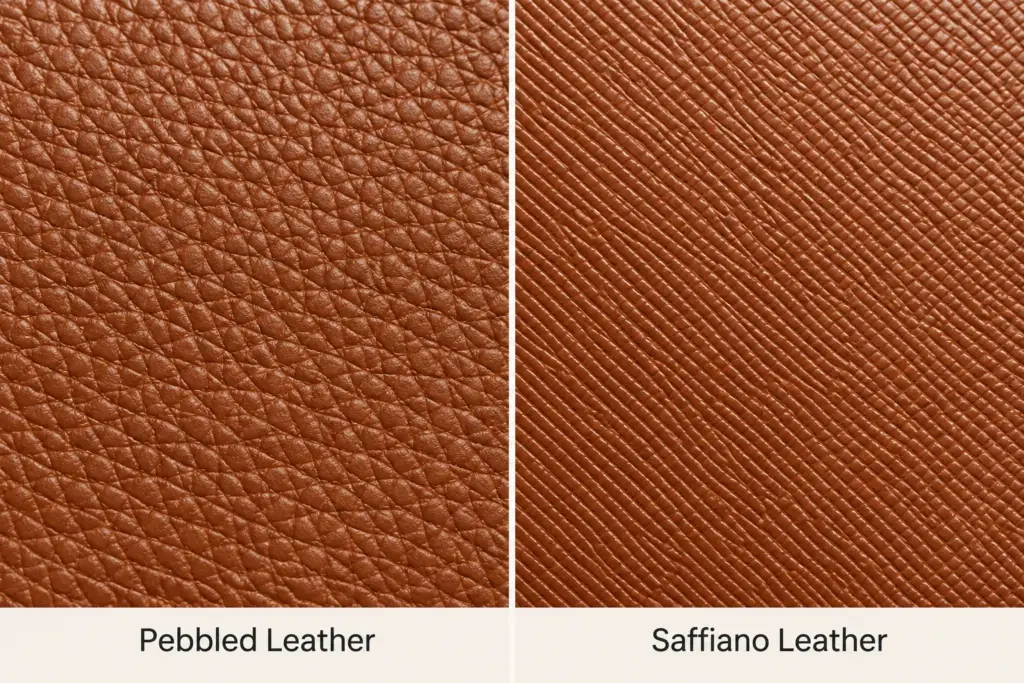
Material selection should reflect each bag’s intended use, appearance, and target price. Genuine leather offers a different texture and finish from microfiber leather, キャンバス, ナイロン, and PU. Fabric weight, 耐摩耗性, surface treatment, and maintenance requirements should also be considered. Brands can use shared materials across selected styles to create a consistent look and simplify material management.
Planning Compartments and Storage Capacity
Compartments should answer the scenarios you identified in planning, not follow a template. Laptop sleeves belong where commuters go, wet sections belong where toiletries travel, and shoe compartments belong in weekenders and gym leaning duffles. Capacity planning works the same way, with each size tied to a trip length you can name.
Selecting Zippers, ハンドル, and Hardware
Hardware details help maintain a consistent look across a collection. Specify zipper types, slider finishes, handle materials, metal feet, and puller designs for each style. Products in different price tiers can use different hardware specifications while retaining a coordinated visual appearance.
We offer YKK zippers as an option, and zipper quality and hardware finishes are reviewed during sample approval. A written hardware specification also helps the factory prepare more accurate quotations.
Adding Functional Features for Target Users
Features earn their cost when a target user names them as a reason to buy. The shortlist below is where we see brands concentrate first.
- Laptop and device protection: padded sleeves sized to standard device classes.
- Water resistant linings: coated sections for toiletries and wet gear.
- Luggage pass through: bands that let totes and backpacks ride on rolling cases.
- Expandable mains: gussets that add overflow capacity on duffles and cases.
- Convertible structures: garment bag to duffle transitions for business travel.
For the customization methods behind these features, に関する記事を参照してください 卸売バッグのユニークなカスタマイズオプション, which catalogs the options factories can execute.
How Does the Custom Travel Bag Development Process Work?
Development is a loop: specify, サンプル, review, revise, then lock.
The development cycle converts the brief into a production standard. Four stages carry it, and each one has a deliverable you should insist on.
Preparing Design Briefs and Technical Specifications
The design brief records the agreed product requirements, 寸法も含めて, 材料, 特徴, ブランディング, と包装. The factory then converts these details into a technical package with drawings, measurements, and material specifications. Any unclear points should be confirmed before pattern making begins to reduce misunderstandings and unnecessary sample revisions.
Developing Initial Samples
Pattern makers translate the package into flat pieces and assemble the first physical sample, which typically takes 7 に 10 working days after design confirmation. The sample should arrive with notes on any substitutions or deviations, so review starts from an honest baseline.
Reviewing Fit, Structure, and Functionality
Review the sample the way a customer would abuse it. Pack it to capacity, work every zipper through full cycles, adjust the straps, and set it down on its base. Check the interior layout against the scenario list from planning, because the sample is the last cheap place to move a pocket.
Making Revisions Before Bulk Production
Revision rounds should come with written notes of what changed and why, and each round ends with an updated reference sample. Once the golden sample is approved and signed, bulk production runs 25 に 35 working days for confirmed orders at 300 スタイルごとの枚数. For the OEM and ODM structures behind this cycle, に関する記事を参照してください The Ultimate Guide to OEM and ODM in Luggage Manufacturing.
How Can Brands Build a Consistent Travel Bag Product Line?

Consistency is a system: shared elements, documented choices, and disciplined additions.
Consistency turns separate styles into a brand. Four disciplines keep a growing line reading as one family.
Maintaining Consistent Design Elements
Choose the elements that will repeat across every style, such as pocket shapes, stitching lines, or a signature handle detail, and document them in a brand design sheet. New styles inherit from the sheet instead of reinventing the details. The sheet also protects the line when your team or your factory changes.
Coordinating Colors, 材料, and Branding
Keep one color story and one logo system across the range. Pantone references should cover body fabrics, trims, webbing, and hardware. The logo method, whether debossing, hot stamping, engraving, or a metal plate, should appear in the same position logic on every style. Retailers read coordination as brand maturity.
Planning Different Sizes and Product Variations
Sizes extend a style rather than replacing it. A duffle line with small, medium, and large sizes, or a backpack with a slim and a travel version, lets customers trade up inside the brand. Re-pattern each size properly instead of stretching the base pattern, because scaled geometry shows in the silhouette. Seasonal variations, such as a new colorway on a proven body, reuse tooling and keep inventory risk low.
Balancing Product Variety and Inventory Costs
Every added style carries tooling, サンプリング, and stock risk, so variety should expand with sales data rather than ambition. A practical rhythm opens with four core styles, adds sizes on proven sellers, and reserves the premium anchor for one strong statement per season. The table below shows how the layers typically work.
| Collection Layer | Role in the Range | Typical Styles |
|---|---|---|
| Entry layer | First purchase and volume driver | Nylon duffle, zip tote |
| Core layer | Brand signature and margin base | Microfiber weekender, travel backpack |
| Anchor layer | Premium statement and press story | Genuine leather weekender or duffle |
Line planning also benefits from the wholesale side of the business. For a full walkthrough of bulk programs, に関する記事を参照してください カスタムレザーバッグの卸売を成功させるための頼りになるガイド.
よくある質問
Can brands customize travel bags with their own logos?
はい. Logo options include hot stamping, embossing or debossing, laser engraving, metal hardware plates, TPU badges, 印刷, and embroidery, applied in a placement system shared across the collection. Logo changes on existing factory styles are quoted at 100 色ごとの個数.
What information is needed to develop a custom travel bag?
A useful brief states the target traveler and scenarios, styles and sizes, positioning and price tier, materials and color direction, compartment and feature needs, branding method, and packaging expectations. Drawings or reference samples help, and the factory converts the brief into a technical package before sampling.
How many samples are needed before bulk production?
Most programs run one to three revision rounds after the initial sample, depending on design complexity and how complete the brief was. Each round delivers an updated sample with written change notes. The final approved golden sample becomes the standard bulk production must match.
Can manufacturers develop travel bags from reference images?
はい. Reference images of a style, a feature, or a material finish give the design team a starting point. The team redraws the design to your brand requirements rather than copying another product. A physical sample you like is even better, since construction details are easier to read in person.
What is the difference between OEM and ODM travel bag production?
OEM production builds bags from your drawings and technical package, giving you full design control. ODM starts from factory developed designs that you select, adapt, and brand, which shortens time to market. Many brands run both, using ODM for fast line filling and OEM for signature products.
結論
A custom travel bag collection succeeds when planning discipline meets factory capability. Define the travelers, choose styles with jobs, specify materials and features against a price structure, and treat sampling as a loop with named deliverables. Bring us the brief at any stage of readiness, and our design team will return a technical package, a sampling plan, and a quotation you can defend line by line.