Aller au contenu



Different types of travel bags serve different packing needs and travel styles. Duffel bags offer flexible storage, weekenders suit short trips, backpacks provide hands-free carrying, and rolling bags help transport heavier loads. Understanding these differences helps brands develop product collections that cover different customer needs without unnecessary overlap.
This article covers six common travel bag types, their key features, suitable uses, and the factors brands should consider when developing a coordinated product range.
What Are the Main Types of Travel Bags?
Six bag types cover almost every trip your customers will ever plan.
Most successful travel ranges are built from the six styles below. Each type holds a distinct job, and the notes beside each one describe the design, the storage logic, the carrying options, and where it sells best. A quick map of sacs de voyage in our own catalog shows the same structure: sacs de sport, les week-ends, sacs à dos, fourre-tout, and rolling cases side by side.
Duffel Bags

Duffel bags are typically soft-sided bags with a spacious main compartment and a wide top opening. Some designs include end pockets, shoe compartments, or additional storage sections. Most feature two carry handles and a shoulder strap, while convertible versions may include backpack straps. They suit gym sessions, voyages de week-end, and travelers who need flexible storage for clothing or sports gear.
Weekender Bags

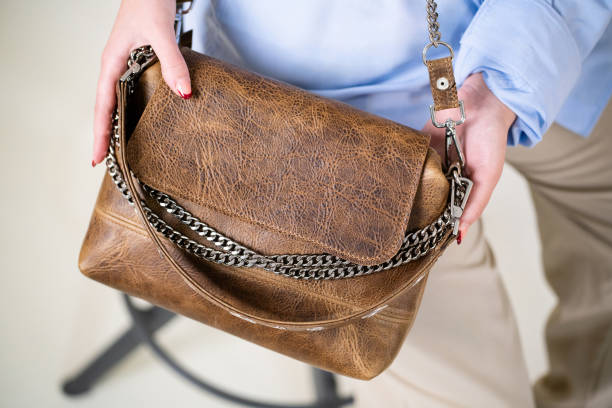
Weekenders are compact, structured rectangles, often in leather or coated canvas. Capacity is modest by design, with a main compartment, une poche zippée, and sometimes a separate shoe or wet section. Handles and a detachable shoulder strap carry the load. They are built for two to three night trips where presentation matters as much as packing volume.
Travel Backpacks

Travel backpacks are soft-sided bags with two shoulder straps for hands-free carrying. Many designs include padded back panels, stowable shoulder straps, and luggage pass-through bands.
Common features include laptop sleeves, wide main compartments, and front organizer pockets. These details make travel backpacks practical for commuters and travelers moving through airports and train stations. They also suit brands targeting cabin travel and outdoor activities. For a closer look at the differences between these two popular travel bag styles, voir notre article sur Sac de sport vs. Sac à dos pour le voyage: Ce qui est mieux?.
Travel Tote Bags

Totes are open or zip top rectangular bags with two parallel handles. Storage is a broad single space with slip pockets for phones, passports, and chargers rather than deep organization. You carry them by hand or over the shoulder, often on top of a rolling case. They serve as personal items, beach bags, and shopping extensions of a travel line.
Garment Bags

Garment bags fold suits and dresses along their natural lines, so clothes arrive ready to wear. Capacity centers on the folding panel, with accessory pockets for shoes, ceintures, and ties. Some models convert into a small duffle for a combined carry. Business travelers choose them whenever a formal wardrobe has to travel along.
Rolling Travel Bags

Rolling travel bags include wheeled duffels, cabin-size luggage, and larger rolling suitcases. Most feature wheels and a telescopic handle, while their outer construction may be soft-sided, semi-rigid, or hard-sided. Suitcase-style designs often include two main compartments, compression straps, and zip dividers to organize clothing and accessories. They suit longer trips and travelers carrying heavier loads.
How Do Travel Bag Features Differ by Type?
Same category, different engineering: each type spends its material where its job demands.
The six types diverge most in four areas: how space is divided, how weight is carried, which materials make sense, and how the structure can flex. Understanding these differences helps you position each style and avoids ordering a construction that fights its purpose.
Storage Capacity and Compartment Layout
Duffles offer the widest uninterrupted volume, which is why packers with odd shaped gear prefer them. Backpacks deliver the most organization per liter, with sleeves and dividers protecting devices.
Totes stay deliberately open and shallow, garment bags dedicate their space to one folding panel, and rolling cases divide into two balanced halves. Layout follows the load, pas l'inverse. Empty space packs nothing, so layout decisions should start from what your customers actually carry.
Carrying Options and Handle Design
Handles and straps are where each type expresses its character. Duffles and weekenders rely on handles and shoulder straps anchored through reinforcing layers. Backpacks distribute weight across padded straps and back panels, and rolling cases replace carrying with wheels and a telescopic system. Totes keep a simple pair of handles because their loads stay light. Whatever the option, the anchor points deserve more inspection than the surface.
Tissu, Garniture, and Hardware
Nylon and polyester serve lightweight and weather exposed builds, canvas brings a heritage texture that pairs well with leather trims, and genuine or microfiber leather positions a style at the premium end. Linings protect contents and hide construction, while zippers and feet take the daily wear. YKK zippers are the industry reference for critical runs, and base feet appear on the styles that rest on the ground.
Pliable, Expandable, and Convertible Structures
Structure flexibility differs by type as well. Foldable duffels collapse into their own pouch for the return leg of a trip, expandable zipper sections give rolling cases and duffles overflow volume, and convertible garment bags turn into small duffles. Totes fold flat for storage between trips. These structures add sewing complexity, so they belong in the specification before quoting, not after.
Six Styles, One Coordinated Travel Line
Which Travel Bag Types Suit Different Travel Needs?

Match the bag to the trip and the bag sells itself at the shelf.
Trip length, transport mode, and wardrobe formality decide which type wins. The table below maps common travel needs to the styles we would recommend, and the sections after it explain the reasoning.
| Trip Type | Best Matched Styles | Why the Match Works |
|---|---|---|
| Weekend getaway | Week-end, small duffle | Compact, presentable, overhead bin friendly |
| Voyages d'affaires | Garment bag, sac à dos | Formal wear and devices stay protected |
| Long distance | Large duffle, rolling case | Volume and durability for long hauls |
| Outdoor and adventure | Convertible duffle | Soft gear, tough fabrics, hands free options |
Bags for Weekend Getaways
Two to three nights favor the weekender or a small duffle. Both pack a change of clothes, chaussures, and a toiletry kit without reaching airline weight limits, and both slide into overhead bins or car trunks with ease. Presentation matters on short trips, which is why leather and canvas versions dominate this space.
Bags for Business Travel
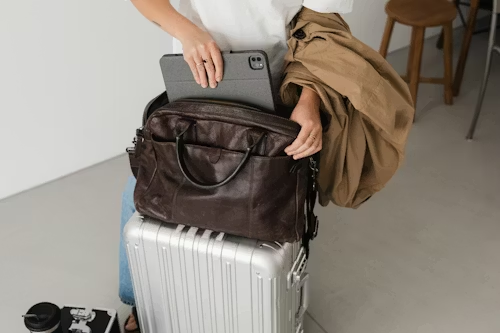
Business trips combine devices, documents, and sometimes a suit. A travel backpack with a laptop sleeve handles the commute, while a garment bag protects the formal wardrobe. Travelers who fly frequently often pair a cabin rolling case with one of the two, and brands serving this segment should design the styles to work as a set.
Bags for Long-Distance Travel
Long hauls reward capacity and durability. A large duffle takes irregular loads and survives rough handling, while a medium or large rolling case organizes a full week of clothing. Screening rules also shape design choices here, and the TSA packing guidance is a handy reference when you plan compartments for liquids and electronics.
Bags for Outdoor and Adventure Trips
Outdoor travel places greater demands on fabrics, poignées, and strap attachments. Duffles with reinforced bases, durable water-resistant fabrics, and additional carrying options can suit camping, sports, and short adventure trips.
Convertible designs offer flexibility for travelers who need to switch between hand carrying and backpack-style carrying. For heavier outdoor loads, buyers should also consider strap padding and weight distribution.
What Should Brands Consider When Developing Travel Bag Collections?
A collection is a plan, not a pile of samples that happened to sell.
Brands rarely fail because they picked one wrong style. They fail when the styles in a range lack a shared logic. Four planning areas keep a travel bag collection coherent.
Target Market and Product Positioning
Define who carries the bag and on which trips before choosing styles. Commuter focused brands lean on backpacks and totes, resort oriented lines favor weekenders and totes, and general travel retailers need duffles and rolling cases to cover family trips. Positioning also decides how far premium materials and branding should reach.
Material and Construction Requirements
Materials and finishes should create a consistent visual identity across the collection, even when different bag types use different fabrics. A leather weekender and a nylon duffle, Par exemple, can share matching hardware finishes, détails de garniture, or lining colors.
Construction methods may vary by design, but quality requirements for stitching, reinforcement, and component durability should remain consistent across the range.
Functional Features and Customization
Decide early which features appear across the line and which belong to single styles. The shortlist below is where we see brands concentrate first.
- Laptop and device protection: padded sleeves in backpacks and rolling cases.
- Shoe and wet compartments: separated sections in duffles and weekenders.
- Luggage pass through: bands on backpacks and totes that ride on rolling handles.
- Expandable mains: zipper gussets on duffles and cases for overflow packing.
- Branding program: one logo method and placement system shared by every style.
Product Range and Price Positioning
A balanced range offers an entry style, a mid core, and one premium anchor, which lets customers trade up inside the same brand. Plan sizes within each type too, because a duffle line with only one size sends large packers elsewhere. For a worked example of launch planning in one category, voir notre article sur Conseils pour lancer une ligne de sac de week-end avec succès. Style counting also benefits from a look at Meilleur 8 Des styles de sacs en cuir pour chaque occasion when you map leather led collections.
FAQ
What is the most popular type of travel bag?
It varies by market, but duffles and travel backpacks lead most brand programs. Duffles pack soft loads at friendly cost, while backpacks own the commute and cabin only segments. Rolling cases anchor the long trip end of the range.
What is the difference between a travel bag and a duffel bag?
Duffel bag names one specific cylindrical soft style with a wide top opening. Travel bag is the umbrella term that also covers weekenders, travel backpacks, fourre-tout, sacs à vêtements, and rolling cases. Every duffle is a travel bag, while the reverse is not true.
Which travel bag is best for a 3-day trip?
A weekender or a medium duffle covers most 3 day trips. Either style packs changes of clothes, chaussures, and a toiletry kit without approaching airline weight limits. Brands usually position both styles at the entry point of a travel range.
What size travel bag is suitable for a week-long trip?
Week long trips generally need a large duffle or a medium to large rolling case, often paired with a backpack or tote for daily carry. Packing habits vary, so brands should offer one large option and a personal item that share the same design language.
What materials are commonly used for travel bags?
Nylon, polyester, toile, PU leather, and genuine leather are the mainstays, with PVC and TPU appearing in clear or weather exposed styles. Doublures, fermetures éclair, and hardware influence durability as much as the body fabric. YKK zippers are the industry reference for critical runs.
Can travel bags be customized for private label brands?
Oui. Private label programs apply branding through hot stamping, gaufrage, laser engraving, plaques de métal, impression, or embroidery, and adjust materials, couleurs, compartiments, and packaging to the brief. Fully custom designs are typically quoted at 300 pièces par style, and logo changes on existing styles at 100 pièces par couleur.
Conclusion
A well-planned travel bag collection should cover different travel needs while maintaining consistent quality and brand identity. Consider the storage capacity, carrying options, matériels, and functional features of each style before finalizing your product range. Contactez Novotebag to discuss your travel bag designs, material options, and private label development requirements.