

Bagaj toptancılığı işindeyseniz veya kendi seyahat markanızı kurmayı planlıyorsanız, muhtemelen gece geç saatlerde bir e-tabloya bakmışsınızdır, hangi yolu seçeceğimi merak ediyorum. Sıfırdan bir çanta tasarlamalı mısın?? Yoksa zaten var olan bir tasarımı mı seçmelisiniz??
Bagaj üreticisi olarak, Bu soruyu neredeyse her gün duyuyorum. Bagaj imalat sektöründe, OEM ve ODM terimleri sürekli ortalıkta dolaşıyor. Ancak sözlük tanımını anlamak yeterli değil. Bu iki modelin nakit akışınızı nasıl etkilediğini anlamalısınız, lansman tarihiniz, ve markanızın geleceği.
Bugün, Size gerçek farklılıkları anlatacağım, gizli maliyetler, ve fabrikada kullandığımız belirli zaman çizelgeleri. Tüy yok, sadece sektör gerçeği.
Bagajda OEM'i ODM'den Aslında Ayıran Nedir??
Basitçe söylemek gerekirse, fark fikri mülkiyetin kime ait olduğuna bağlıdır (IP). ve bunun bedelini kim ödüyor “takım.”
OEM (Orijinal Ekipman Üreticisi) bu “yazdırmak için oluştur” modeli. Bu senaryoda, sen mimarsın. Tasarımı siz sağlıyorsunuz, teknik çizimler, ve belirli boyutlar. Ürün tamamen size ait.
- Temel Özellik: Biz, fabrika, bu tasarımı başkasına satamam. Bu senin.
- Gerçeklik: Araştırma ve geliştirmeden siz sorumlusunuz (R&D) maliyetler. Bagaj sektöründe, bu özellikle kalıplar için ödeme yapmak anlamına gelir (takımlama) sert kabuk için, sap, ve hatta bazen tekerlekler bile.
ODM (Özgün Tasarım Üreticisi) bu “özel etiket” modeli. Burada, fabrika mimardır. Çantayı zaten tasarladık, kalıpları oluşturduk, ve yapıyı test ettim. Aslında bitmiş ürünlerden oluşan bir kataloga göz atıyorsunuz ve logonuzu koymak için birini seçiyorsunuz.
- Temel Özellik: Tasarım fabrikaya aittir. Aynı temel modeli size ve farklı ülkedeki bir rakibe satabiliriz, ancak genellikle belirli bölgelerde ayrıcalık sunuyoruz.
- Gerçeklik: R sayesinde çok büyük miktarda zaman tasarrufu sağlarsınız.&D zaten bitti.
Takım elbise satın almak gibi düşünün. OEM, özel ölçülerinize ve kumaş seçiminize göre kesilmiş, ısmarlama bir takım elbisedir. ODM, raftan yüksek kaliteli bir takım elbise satın alıyor ve terziye düğmeleri ayarlayıp ceketin içine adınızı diktiriyor. İşte bunu açıkça anlamanıza yardımcı olacak bir karşılaştırma tablosu.
| Boyut | OEM Bagaj | ODM Bagaj |
|---|---|---|
| Fikri Mülkiyet Hakları | Alıcı tasarımın sahibidir & IP (şekil, yapı, desenler) | Fabrika tasarımın sahibidir; alıcının markası var & yalnızca logo |
| Kalıp Sahipliği | Alıcı genellikle fon sağlar & kalıp sahibi (veya sözleşmeyle ortak sahip olunan) | Fabrika, üretim için kullanılan mevcut kalıplara sahiptir |
| R&D Maliyeti | Daha yüksek: mühendislik, prototip oluşturma, hepsi uyarlanmış olarak test ediliyor | Daha düşük: zamanla birçok alıcıya yayıldı |
| Pazara Çıkış Süresi | Daha uzun: yeni gelişme, kalıp yapımı, doğrulama | Daha hızlı: hazır tasarımlar ve aletler kullanın |
| Özelleştirme Düzeyi | Çok yüksek: kabuk şekli, halletmek, tekerlekler, zar, tamamı ısmarlama yapı | Orta: logo, renk, zar, bazı parçalar ayarlanabilir |
Köklü Seyahat Markaları Neden OEM Modelini Tercih Ediyor?
Üst düzey bir mağazadan geçerseniz veya en üst düzey mağazalara göz atarsanız “Doğrudan Tüketiciye” seyahat markaları çevrimiçi, 90% gördüğünüz şey OEM.
Neden? Çünkü bagaj endüstrisinde, kalıp her şeydir.
OEM'i seçtiğinizde, marka farklılaşması için para ödüyorsunuz. Sudaki dalgacıklara benzeyen dokuya sahip bir bavul kabuğu istediğinizi hayal edin, veya çok spesifik bir şekilde geri çekilen bir tutamaç, sessiz yol. Bunu katalogda bulamazsınız. Onu inşa etmelisin.
Ayrıcalığın Gücü
OEM'li, kalıbın sahibi sensin. Bu, fabrikanın aynı tasarımı başka bir müşteri için yasal olarak üretemeyeceği anlamına geliyor. Bu IP koruması için çok önemlidir. Özel bir bavul kabuğunu mükemmelleştirmek için altı ay harcayan müşterilerle çalıştım. Nihayet başlattıklarında, piyasadaki hiç kimsenin bu spesifik siluete sahip olmayacağını biliyorlardı.
OEM'in Sorunlu Noktaları
Fakat, maliyet konusunda dürüst olmalıyız.
- Kalıp Ücretleri: Sert kabuk için yeni bir kalıp setinin açılması bavul (arabası sistemi, kulp, tekerlekler, ve kabuğun kendisi) pahalıdır. Kolayca bir yatırıma bakıyorsunuz $10,000 ile $20,000 tek bir torba üretilmeden önce.
- Zaman: Bir kalıbı mükemmelleştirmek zaman alır. T1'den geçeceksiniz, T2, ve T3 numune aşamaları. Hasta için bir süreçtir..
Bu yol olgun markalar içindir. Açık bir vizyonunuz ve onu destekleyecek sermayeniz varsa, OEM, uzun vadeli bir varlık oluşturmanın tek yoludur.
Hızlı Özel Etiket Lansmanları için ODM Kullanımı
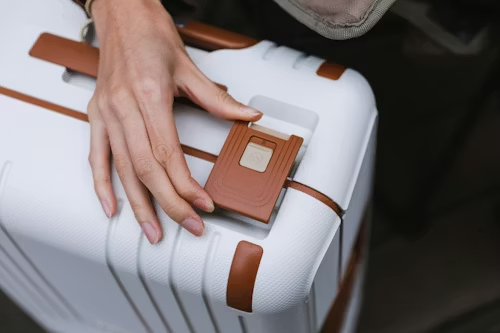
Amazon satıcısıysanız, kurumsal hediye alıcısı, veya bagaj hattını ilk kez test eden bir moda markası, ODM en iyi arkadaşınızdır. Bagaj toptan pazarında, hız çoğu zaman benzersizliği yener.
Pazara Çıkış Hızı Kritiktir
ODM'li, fabrika işin ağır yükünü zaten halletmiş durumda. Kabuk stabilitesini test ettiler. Arabanın kolunu dengelediler. Üretim hattı yola çıkmaya hazır. Teorik olarak bir fabrika showroomuna uçabilirsiniz, polikarbonat bir bagaja işaret edin, bir Pantone rengi seç, vektör logonuzu gönderin, ve üretimin birkaç hafta içinde başlamasını sağlayın.
Önemli Maliyet Tasarrufları
Buradaki en büyük avantaj kalıp maliyetinin atlanmasıdır. O $15,000 kalıplara harcardınız? Bunu doğrudan pazarlamaya veya envantere koyabilirsiniz. Bir başlangıç için, likiditenin cankurtaran olduğunu.
Fakat, takası hatırla. görebilirsin “senin” çantanın farklı bir ülkede başka bir marka tarafından satılması. Hedefiniz kesin marka benzersizliği ise, ODM'nin cam tavanı var. Ancak seyahat donanımı üretimi için, bir pazarı hızlı bir şekilde doğrulamanız gereken yer, en akıllıca hareket bu.
Bagaj Üretimi Gerçekte Ne Kadar Sürer??

Alıcıları geceleri uyanık tutan soru bu. “Tatil telaşından önce stoklarımı alacak mıyım??” Müşterilerime her zaman söylerim: Tedarik zinciri yönetimi zaman çizelgenizi doldurmakla ilgilidir. Asla inanma “en iyi senaryo” tarih. İşte sektörümüzde zamanın nasıl aktığının gerçekçi dökümü.
OEM Zaman Çizelgesi: Uzun Oyun
Özel rotaya giderseniz, sabır bir erdemdir.
- Tasarım & Teknoloji Paketi (15-30 günler): Siz ve fabrika mühendisleri 3D çizimleri tamamlıyorsunuz.
- Kalıp Oluşturma (45-60 günler): Bu “kara kutu” dönem. Çelik kesiliyor. Aceleye getirilemez.
- Örnek Test (15 günler): İlk örnek çıktı. Nadiren mükemmel uyum sağlar. Ayarlamalar yapılıyor.
- Seri üretim (45-60 günler): Bir kez “Altın Örnek” imza kapalı.
Toplam: sen bakıyorsun 4 ile 6 mallar gönderilmeye hazır olmadan aylar önce.
ODM Zaman Çizelgesi: Ekspres Yolu
Özel markalı bagajların parladığı yer burası.
- Seçim & Markalaşma (7 günler): Modeli seçip çizimi gönderiyorsunuz.
- Üretim Öncesi Örnek (7-15 günler): Fabrika onay için logonuzun bulunduğu bir ünite yapar.
- Seri üretim (30-45 günler): Kalıplar hazır olduğundan, üretim depozitodan hemen sonra başlar.
Toplam: Gönderim için hazır olabilirsiniz 2 ile 3 aylar.
İpucu için: Yol ne olursa olsun, üretim öncesi numuneyi asla atlamayın (BES). Alıcıların tasarruf etmeye çalıştığını gördüm $200 son örneği atlayarak, sadece bunu öğrenmek için 1,000 bavullarda logo baş aşağı basılmıştır. PPS sizin sözleşmenizdir.
Takım Maliyetleri ve Minimum Sipariş Adedi Hakkında Gerçek
Parayı konuşalım. özellikle, Bagaj üreticileri neden minimum sipariş miktarlarında ısrar ediyor? (MOQS). Bir fabrika şunu söylediğinde birçok yeni alıcı hayal kırıklığına uğruyor:, “Minimum Sipariş Adedi: 500 parçalar.” Onlar soruyor, “Sadece yapamaz mısın 50?” Cevabı anlamak için, üretim hattının kendisine bakmalısınız.
Minimum Sipariş Miktarlarının Arkasındaki Gerçek Sebep (Adedi)
Kalıp enjeksiyonunda (sert bagaj için) veya kumaş kesme (yumuşak bagaj için), kurulum süresi çok uzun.
Plastik topakların rengini değiştirmek için makineyi durdurma, memeyi temizleme, ve yeni bir kalıbın ısıtılması saatler alır. Sadece sipariş verirseniz 50 çantalar, fabrika sadece makineyi çalıştırarak para kaybediyor.
- OEM Minimum Sipariş Adedi: Genellikle daha yüksek (sıklıkla 1,000+ model başına adet). Paylaşılan kalıpları kullanmadığınız için, Üretim hattının sizin benzersiz spesifikasyonlarınıza göre tahsis edilmesini haklı çıkarmak için fabrikanın daha büyük bir üretime ihtiyacı var.
- ODM Minimum Sipariş Adedi: Genellikle daha düşük (olabilir 300-500 parçalar). Fabrika aynı kabuğu diğer üç müşteri için de çalıştırıyor olabileceğinden, bazen malzeme alımlarını veya üretim alanlarını birleştirebilirler.
Yatırım Getirisi Hesaplaması
Kendi kalıplarınızın parasını ödemek ne zaman mantıklı olur?? Benim temel kuralım: Hacim. Daha fazlasını satmayı planlıyorsanız 5,000 iki yıl boyunca belirli bir modelin birimleri, kalıp açma maliyeti (itfa edilmiş 5,000 birimler) ihmal edilebilir hale gelir - belki $2 veya $3 birim başına. Karşılığında, öyle bir ürün alırsınız ki 100% senin.
Bavul Üreticisi Nasıl Seçilir ve Kalite Nasıl Sağlanır?
Aradığınız bir deri çanta Üretici seyahat ekipmanına veya özel bir bagaj fabrikasına doğru genişliyor, inceleme süreci aynıdır. Sadece fiyata bakmayın. Sahip oldukları sistemleri arayın.
Denetim Kontrol Listesi
Güvenilir bir fabrika şeffaf olmalıdır.
- Sertifikalar: ISO'ları var mı 9001 için kalite yönetimi? Sosyal uygunluk için BSCI raporları var mı?? Bunlar sadece rozet değil; size fabrikanın profesyonelce mi yönetildiğini yoksa bir atölye mi olduğunu söylerler.
- Bileşen Tedarikçileri: Onlara tekerleklerini nereden aldıklarını sorun. Üst düzey üreticiler genellikle Hinomoto gibi saygın jant markalarıyla veya eşdeğer yüksek kaliteli yerel tedarikçilerle çalışır.. Parçalar hakkında belirsizlerse, dikkat olmak.
Test: Pazarlığa Açık Olmayanlar
Bir valizi ona bakarak yargılayamazsınız. işkence görmesi lazım. Zaman ayırmaya değer her fabrikanın kendi bünyesinde bir test laboratuvarı olmalıdır. Bir üretim çalışmasını değerlendirdiğimde, Raporları görmeyi talep ediyorum:
- Düşme Testi: Kasayı 20-25 kg yükleyip 90 cm'den her köşeden düşürme. Kabuk çatlarsa, başarısız oldu.
- Sap Sarsıntı Testi: Yüklenen çantanın saptan tutularak kaldırılması 5,000 kez.
- Kilometre Testi: Torbayı 20-30 km boyunca pürüzlü bir yüzeyde yuvarlamak.
Potansiyel bir tedarikçi diyorsa, “Merak etme, kalitemiz iyi,” ama yere kırılan bir çantanın videosunu sana gösteremiyorum, bu bir kırmızı bayrak. Kalite veridir, bir söz değil.
Hangi Üretim Yolu İşletmenize Uygun??
Çok fazla yer kapladık. Bu yüzden, nasıl karar veriyorsun? hayır “daha iyi” seçenek, yalnızca mevcut iş gerçekliğinize uyan seçenek.
Eğer OEM'i seçin:
- Sadık takipçilere sahip köklü bir markasınız.
- Kullanıcı sorununu çözen özel bir tasarım özelliğiniz var (Örn., dışarıdan erişilebilen bir dizüstü bilgisayar bölmesi).
- Kalıp ücretleri için bütçeniz var ($15k+) ve bekleyebilir 6 lansman için aylar.
- IP'nizi korumak en büyük önceliğinizdir.
Aşağıdaki durumlarda ODM'yi seçin::
- Yeni bir konsepti test ediyorsunuz veya yeni bir marka başlatıyorsunuz.
- Nakit paranızı hızlı bir şekilde çevirmeniz gerekiyor (pazara sunma hızı).
- Bütçeniz daha sıkı, ve kalıplara değil pazarlamaya para harcamak istiyorsunuz.
- Standart bir tasarımı satmakta sorun yok, renk yoluyla farklılaşma, logo, ve pazarlama hikayesi.
Nihai Gerçeklik Kontrolü
Strateji kağıt üzerinde kolaydır; icra, paranın kaybolduğu veya kazanıldığı yerdir. Mükemmel OEM çizimlerine sahip olabilirsiniz, ancak fabrikanız polikarbonat kalitesinde işin kolayına kaçarsa veya sap yorulma testini atlarsa, Markanız darbeyi alıyor, onların değil.
Tasarımdan bitmiş ürüne geçişin bir tedarikçiden daha fazlasını gerektirmesinin nedeni tam olarak budur.; ayrıntılara takıntılı bir ortak gerektirir. -Den OY YOK, Klasik bir deri çanta üreticisinin titiz dikiş standartlarını seyahat ekipmanlarının endüstriyel hassasiyetine taşıyoruz. Bu eşsiz birleşim işçilik ve jenerik fabrikaları en iyi bagaj üreticilerinden ayıran titiz mühendislik.
İster özel kalıplara yatırım yapmaya hazır olun, ister yüksek kaliteli özel etiket çözümüne ihtiyacınız olsun, “ucuz,” Fiziksel ürününüzün markanızın vaadiyle eşleştiğinden emin olmak için buradayız.
Bugün bizimle iletişime geçin, ve bagaj koleksiyonunuza nasıl hayat vereceğinizi tartışalım.
Sık sorulan sorular (SSS)
1. Üstü yap 10 bagaj üreticileri OEM veya ODM kullanıyor?
Küresel endüstri liderlerinin çoğu, her iki modelin stratejik bir karışımını kullanıyor: özel amiral gemisi tasarımları için OEM'i ve daha hızlı sezonluk sürümler için ODM'yi kullanıyorlar. Başarıları sadece fabrika sahibi olmaktan ziyade sıkı kalite kontrolüne dayanıyor, rehberimizde derinlemesine analiz ettiğimiz tepe 10 bagaj üreticileri.
2. ODM kullanırsam bir bavul tasarımının patentini alabilir miyim??
HAYIR, çünkü fabrika kalıp tasarımına ilişkin fikri mülkiyet haklarını elinde tutuyor. Marka adınızı ve logonuzu koruyabilirsiniz, ancak başkalarının aynı çanta şeklini satmasını yasal olarak engelleyemezsiniz. Tasarım patentine sahip olmak, OEM rotasını seçmelisiniz.
3. Bir ODM'de tam olarak neyi özelleştirebilirim? (Özel Etiket) bavul?
Kabuğun yapısal şeklini değiştiremezsiniz, Estetik üzerinde tam kontrol sizde. Genellikle kabuk rengini özelleştirebilirsiniz, iç astar, fermuar stilleri, ve marka kimliğinize uygun logo yerleşimi.
4. Üretime başlamak için Tech Pack'e ihtiyacım var mı??
OEM projeleri için, Evet; Teknik Paket, mühendislerin özel kalıplarınızı oluşturmaları için temel plan görevi görür. ODM için, Tasarım zaten mevcut olduğundan genellikle yalnızca vektör logo dosyalarınızı ve tercih ettiğiniz Pantone renk kodlarını sağlamanız gerekir..
5. Bagaj için numune maliyeti neden bu kadar yüksek??
Tek bir üniteyi manuel olarak monte etmek için seri üretim hattını kesintiye uğratmak çok maliyetli olduğundan, fabrikalar numuneler için prim talep ediyor. Fakat, Saygın üreticiler bunu genellikle depozito olarak kabul eder ve numune ücretini son toplu sipariş faturanızdan düşecektir..