

Finding a reliable manufacturer for leather cosmetic bags requires a technical eye. Leatherwork is unforgiving because needle holes are permanent; a single mistake ruins the entire hide. If you pick a factory without specialized leather equipment, you’ll likely face uneven stitching and peeling edges. This 7-step guide focuses on finding a partner with the right technical setup to ensure consistent quality.
Fare un passo 1: Where to Locate Specialized Leather Manufacturers
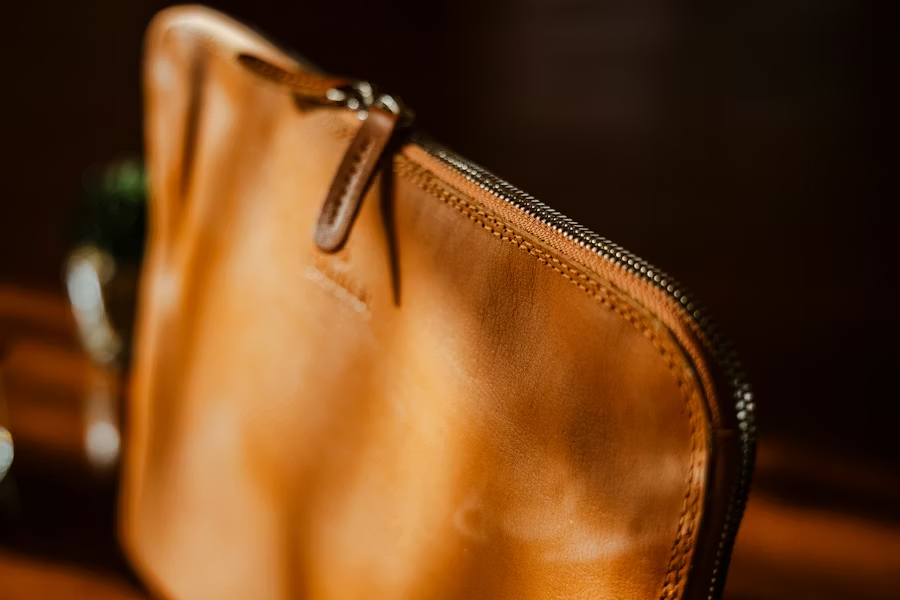
Building a shortlist starts with identifying factories that own a dedicated leather production line. Most high-volume textile mills struggle with leather because it requires specialized walking-foot machines and skiving tools to thin the edges. Without this equipment, your bags will look bulky, with uneven seams that quickly fall apart under daily use.
Navigating B2B Platforms Effectively
Platforms like Alibaba are useful if you filter for “Verified” status to ensure they are actual manufacturers. When searching, skip general terms like “cosmetic bags.” Invece, use targeted phrases like “microfibra borsa cosmetica in pelle factory” O “OEM leather goods workshop.” This helps you bypass traders and find the production floor where the craft happens.
Using Trade Shows for Technical Audits
Trade shows let you inspect the “hand-feel” of la pelle and the precision of the stitching in person. Face-to-face meetings are also the best time to ask about their internal rejection rate and how they handle custom requests. Fairs like the Canton Fair or APLF are ideal for comparing the construction quality of multiple suppliers in a single day.
Advanced Google Search Tactics
The best leather workshops are often too focused on production to maintain a top-ranking website. You will often find more professional partners on page 2 O 3 of Google. Try searching for “private label leather makeup bags” O “leather goods contract manufacturing” to find independent facilities that handle production for global brands.
Fare un passo 2: Verify the Factory’s Technical Capabilities
A manufacturer’s reliability is proven by their material knowledge and mastery of leather-specific finishing techniques. A factory that can’t explain its leather grading is likely a middleman or lacks experience in high-end leatherworking.
Assess Leather Grading and Linings
Ask the manufacturer how they grade their incoming hides or microfiber rolls. For cosmetic bags, the interior lining is a critical failure point. A professional maker will offer wipeable, leak-proof linings like TPU or coated nylon. This prevents leaked foundation or lotions from soaking into and ruining the expensive leather exterior.
Inspecting Stitching and Edge Painting
In leatherwork, finishing defines the product’s lifespan. Check samples for “edge painting” (the dye on the cut leather edges). It should be smooth and multi-layered, not thick or prone to peeling. Also, test the zippers repeatedly. A high-quality bag is useless if the hardware snags, which is a common issue with cheaper, unbranded components.
Confirm Chemical Compliance
Since cosmetic bags are kept in humid bathrooms, the leather must be free from toxic chemicals. A reputable manufacturer will provide test reports for standards like REACH. This ensures the leather doesn’t contain restricted substances like lead or phthalates, which is mandatory for selling in the US and EU markets.
Fare un passo 3: Negotiate MOQs Without Cutting Corners
Negotiating is about reducing the factory’s setup friction. If you understand how leather is sourced, you can lower your costs and Minimum Order Quantities (Moqs) significantly.
Select In-Stock Materials
Factories buy leather in bulk rolls or hides. If you demand a custom Pantone color, the factory must buy a huge amount of material, which forces a high MOQ. By choosing a color or texture the factory already keeps in stock, you can often start with a much smaller order and a lower price per unit.
Simplify the Construction Details
Every extra pocket or hidden piping detail adds significant labor time. If you are launching a new line, keeping the design clean and streamlined is a smart move. It lowers the factory’s setup risk and the chance of production errors, making them more likely to agree to a smaller, more affordable trial order.
Discuss Future Production Forecasts
Factories value a consistent production schedule over a one-off high-volume order. Instead of pushing for a discount on Day 1, share your long-term growth plan. Manufacturers are often willing to provide better pricing and prioritize your orders if they see you as a stable partner who will bring recurring business.
Fare un passo 4: Understanding Production Timelines
A standard leather cosmetic bag project takes 30 A 47 days to complete. Primo, the sampling phase takes 5-7 days to create the pattern and the initial physical prototype. Once you approve the sample, mass production typically requires 25-40 days for cutting, skiving, cuciture, and the final edge-sealing process.
Custom hardware or custom-dyed leather can easily add another 15 days to the schedule. Because leather production only starts after the deposit is paid to secure the materials, the faster you settle the initial invoice, the sooner your order moves onto the production floor.
Fare un passo 5: How to Control Quality During Production
Reliable manufacturers implement quality checks at every vulnerable stage of the line. This proactive approach catches issues before they become batch-wide failures that delay your shipment.
| Production Stage | Technical Focus | What to Check |
|---|---|---|
| 1. Leather Screening | Surface integrity before cutting. | No scratches, blemishes, or thin spots. |
| 2. Stitching Line | Precision and tension management. | No skipped stitches or loose threads. |
| 3. Final Inspection | Functional and aesthetic check. | Smooth zippers and clean edge dye. |
Fare un passo 6: Branding and Packaging for Leather Goods
Your logo application should match the premium feel of the leather. A professional manufacturer will offer branding methods that are durable and look expensive.
Common Logo Techniques
Debossing is the standard for leather; it uses heat to press your logo into the material for a tactile, high-end finish. For darker leathers, foil stamping in gold or silver adds a striking contrast. You can also engrave your logo onto metal zipper pulls, which is a subtle way to reinforce brand quality without cluttering the bag’s design.
Protective Packaging Choices
Leather needs protection from scuffs and moisture. Soft dust bags are a better choice than plastic polybags, as they prevent scratching and let the material breathe. If you sell online, consider structured cardboard boxes to protect the bag’s shape. This also shows customers that your brand cares about both craftsmanship and the environment.
Fare un passo 7: Shipping Your Bags Safely
Leather is sensitive to humidity, making global shipping a risk. Long journeys in sea containers can lead to mold if the environment isn’t controlled. Always ensure the factory uses silica gel packets and anti-mold chips inside every carton. This small step is essential for protecting your inventory from moisture damage during transit.
Carton packing is also critical. Leather bags should never be crushed or folded tightly to save on shipping volume, as this causes permanent creases. Finalmente, double-check your HS codes; accurately labeling your goods as genuine or synthetic leather will prevent customs delays and ensure you pay the correct import duties.
Partner with NOVOTE for Your Next Project
If you need a manufacturer that understands the technical demands of leatherwork, NESSUN VOTO is ready to help. Con 28 anni di esperienza, we specialize in artisan craftsmanship and sustainable materials for premium private-label brands.
- Expert R&D and Fast Sampling: Our experienced design team provides professional proposals and delivers physical prototypes in 7-10 giorni lavorativi, using premium leathers that match your brand’s specific aesthetic.
- High-Capacity Scalable Production: Our 10,000m² facility manages the full manufacturing cycle with a monthly capacity of 100,000 unità, giving you the flexibility to scale rapidly as your market demand increases.
- Certified Ethical and Green Standards: We maintain strict BSCI, Iso 9001, and GRS certifications, ensuring your leather products are manufactured in a safe, etico, and sustainable environment that meets global retail requirements.
Finding a factory you can truly rely on is a vital investment in your brand’s future. Contattaci oggi to discuss your design requirements or to receive a detailed quote for your custom leather project.