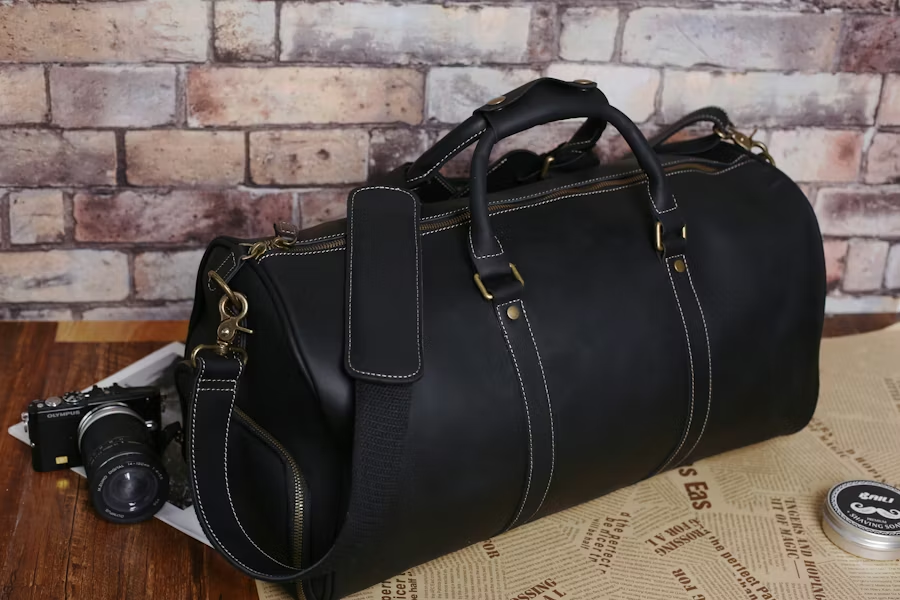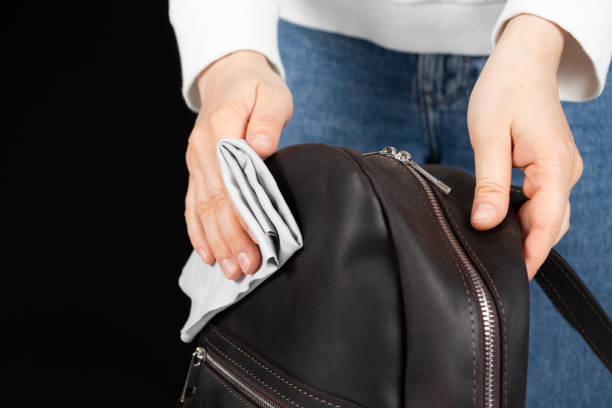


Is the backpack superior, or is the classic duffel still the best choice? While the duffel maximizes the “open cavity” for sheer capacity, the backpack relies on its strap system to protect your back. Whether you are curating a winning product line or just packing for a getaway, let’s analyze the construction to see which travel bag actually delivers.
In questa guida, we will strip away the marketing noise and look at the duffle bag vs backpack comparison from the inside out, focusing on real-world mechanics rather than just aesthetics.
The Core Differences of Duffel Bag vs Backpack
To make a smart decision, we first need to understand the fundamental design of these two distinct styles.
What is duffel bag design essentially? At its heart, a duffel is a simple, unstructured container. In our factory, when we cut leather for a duffel, we are creating a flexible bag intended to expand. It usually features one large main entry point and is carried via two top handles or a single shoulder strap.
A backpack, in contrast, is designed to be worn on the body. It is a vertical container engineered to distribute weight evenly. This design protects your shoulders and back while allowing for hands-free movement.
Here is a comprehensive breakdown of the pros, cons, and functional differences:
| Caratteristica | Duffle Bag | Zaino |
|---|---|---|
| Carry Mechanics | One side of the body (shoulder) or hand-carry. | Even weight distribution across both shoulders. |
| Structure Profile | Morbido, flessibile, collapsible. | Rigid or semi-rigid back panel. |
| Packing Style | Broad horizontal access (easy to pack). | Vertical stacking (can be harder to reach the bottom). |
| Security | Harder to snatch, but zippers are exposed. | Secure on body, but zippers are behind you. |
| Ideal Usage | Heavy loads, short transfers (PER ESEMPIO., car to hotel). | Versatile for any distance, essential for long walks. |
| The Wins (Professionisti) | Maximizes packing volume, easy “dump and zip” access, professional aesthetic, fits odd-shaped gear, collapsible storage. | Hands-free mobility, ergonomic spine support, superior organization, secure during movement, built-in tech protection. |
| The Drawbacks (Contro) | Uneven weight distribution, hard to organize small items, fatiguing over long distances, minimal laptop protection. | Traps heat (sweaty back), structure reduces usable volume, can wrinkle clothes, less formal appearance. |
Which Option Is More Comfortable to Save Your Back?

This is usually where the debate heats up. If you ask a doctor, they will almost always point to the backpack. But as a bag maker, I can tell you it is not that black and white.
The Ergonomic Reality of Backpacks
A well-designed backpack is effective because of symmetry. By using two straps, you distribute the load evenly across your upper body. If the bag weighs more than 15% of your body weight, this is crucial.
Per esempio, high-end travel backpacks often include a sternum strap to prevent the shoulder straps from slipping. This stability is vital. Imagine walking 10,000 steps a day through European streets. This even weight distribution prevents the lower back pain that often occurs with uneven loads.
The Hidden Comfort of the Duffel
Tuttavia, backpacks have a flaw: they reduce airflow. A large leather backpack sits directly against your spine, which can cause significant sweating in warm climates.
A duffel bag allows your back to breathe. Più, there is a specific type of comfort in being able to put your load down instantly. With a duffel, you carry the weight with your hand or shoulder. But the moment you stop walking, you place the bag on the floor. It gives your body frequent breaks, unlike a backpack, which often stays strapped on.
Quick Tip: If your travel involves continuous walking (more than 1km at a time), a backpack is necessary for comfort. But for short transfers, the duffel is often more convenient. It handles taxis, trains, and lobbies with ease. Più, it keeps you cooler.
The Best Bag Choice for Your Specific Travel Scenarios
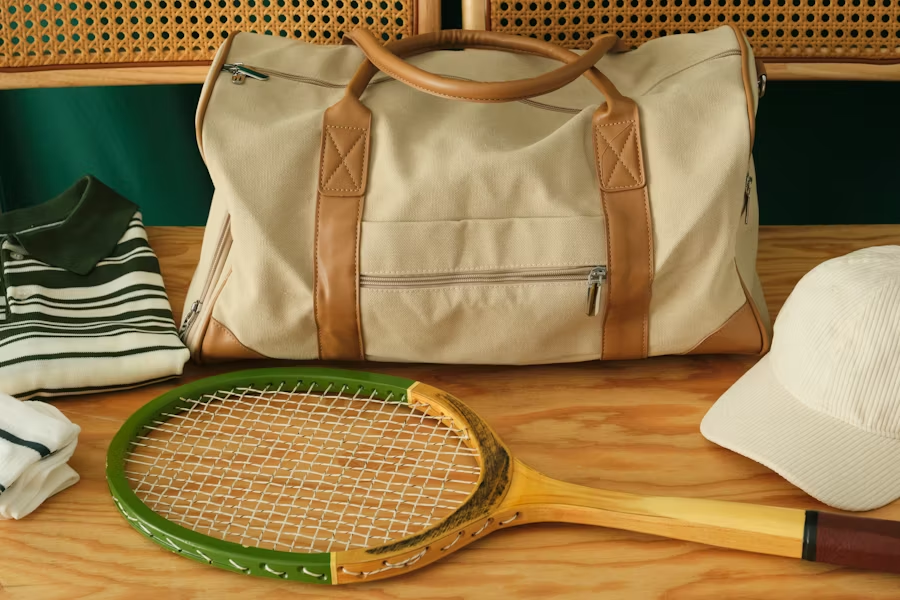
UN travel bag that performs flawlessly in a Business Class lounge might be frustrating on a hiking trail. Let’s look at specific scenarios where the backpack and duffel bag differ.
Why Duffels Win for Weekend Road Trips
If you are traveling by car, the duffel bag is the best option. Car trunks are often irregularly shaped. Hard-shell suitcases or rigid backpacks are unforgiving—they don’t compress. A leather duffel is soft. You can push a 40-liter duffel into a tight corner behind other luggage, and it fits perfectly.
Inoltre, road trips often mean needing quick access to your gear. With a duffel, you unzip the top, and you have a wide view of all your items. It functions like a portable drawer. You grab a jacket and zip it back up. Digging a sweater out of a top-loading backpack is frustrating. Doing it while standing on a roadside is even worse.
Why Backpacks Are Essential for Hiking and Gap Years
When mobility is the priority, the backpack is superior. Imagine you are rushing to catch a train in Mumbai, or navigating a narrow, cobblestone alley in Lisbon. You need your hands free—to hold a map, una bottiglia d'acqua, or a handrail.
For a “Gap Year” scenario where you are carrying your belongings for months, UN dedicated travel backpack is essential. It becomes an extension of your body, allowing you to move quickly through crowds and over uneven terrain without losing your balance.
The Professional Choice for Business Travelers
Walking into a client meeting with a bulky backpack over your suit can damage your professional image. The straps wrinkle the fabric of your jacket and can make you look like a tourist rather than an executive.
UN premium leather duffel bag solves this. Because it is carried by hand, it preserves the silhouette of your suit. It commands the same respect as a briefcase but offers significantly more capacity. As a duffle bag manufacturer, we design these specifically for the boardroom-to-hotel transition. They maintain a refined appearance that matches your business attire. Inoltre, for the transit portion of your trip, many now include a trolley sleeve to slide securely over your rolling luggage.
Carrying Gym Gear and Sports Equipment
If you need to carry rigid or odd-shaped objects, the duffel is the better choice. Tennis rackets, lifting belts, basketballs, or bulky boxing gloves are difficult to pack in a backpack. Backpacks are generally designed for flat, rectangular items like laptops and books.
A duffel provides a large, open space. You can place a helmet or a pair of muddy boots inside without struggling to make them fit. Many modern duffels also feature ventilated shoe pockets—a critical feature for keeping gym odors away from your clean clothes.
Packing Capacity vs Organization for Your Gear
This is the difference between having one large space versus many specific pockets.
The Duffel: Maximum Volume
A 50-liter duffel bag often holds more usable cargo than a 50-liter backpack. Why? Because internal organization takes up space.
In a backpack, the foam back panel, the padded laptop sleeve, and the dividers all occupy volume. In a simple leather duffel, almost all the volume is available for your belongings. You can pack bulky winter coats or boxes of product samples easily.
Per la punta: If you choose a duffel, using packing cubes is highly recommended. Without them, your clothes will mix together and become disorganized. Packing cubes act as the dividers that the duffel lacks.
The Backpack: Structured Organization
If you travel with a lot of technology, the backpack is safer. As a manufacturer, we place padded pockets in our backpacks to suspend laptops above the bottom of the bag. If you drop the bag, your computer doesn’t hit the ground directly.
Backpacks offer specific spots for your items. You have a pocket for your passport, a loop for your pen, and a clip for your keys. You don’t have to search through the whole bag. If you prefer to know exactly where your charging cable is at all times, the lack of structure in a duffel might be frustrating.
The Hybrid Option: Duffle Bag to Backpack
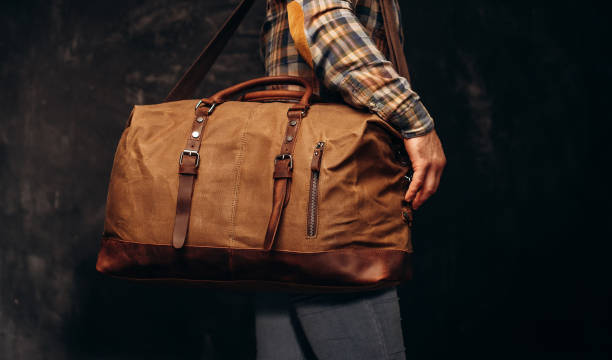
If you are struggling to choose, there is a third category: the convertible duffel. UN “duffle bag to backpack” is essentially a duffel that includes stowable shoulder straps. This hybrid design attempts to offer the volume of a duffel with the hands-free capability of a backpack.
The Advantage: Versatilità. You can carry it by the handles into a hotel lobby to look professional, but deploy the backpack straps when you need to run to a train platform. It is an excellent choice for “One Bag Travel” enthusiasts who face varied environments.
The Compromise: Tuttavia, be aware of the engineering trade-offs. To make the straps stowable, they are often thinner and less padded than those on a dedicated backpack. Inoltre, the back panel usually lacks the ventilation mesh found on hiking packs. It is a “jack of all trades” solution—it does everything well, but nothing perfectly.
Considerazioni finali
COSÌ, in the comparison of a duffel bag vs backpack, che è meglio? There is no single winner, but there is a clear choice for your specific trip.
Choose a Backpack if:
- You are navigating multiple transit systems (trains, subways, walking).
- You are carrying a load heavier than 10kg (22libbre) for long distances.
- You need hands-free mobility for safety or convenience.
- You are carrying expensive electronics that require padded protection.
Choose a Duffel Bag if:
- You are on a road trip or a short direct flight.
- You need to pack bulky or odd-shaped gear (sports equipment).
- You want to maintain a professional, classic aesthetic.
- You prefer a simple packing style without dealing with many zippers and compartments.
A Novotare, we believe the bag should never be the most stressful part of your journey. Whether you opt for the structured efficiency of a backpack or the timeless capacity of a leather duffel, artigianato is non-negotiable.
That is why we ensure every Novote bag is built to withstand the rigors of travel. Look for full-grain leather, cerniere resistenti, and reinforced stitching at the handles. These are the standards we hold ourselves to, ensuring the products you bring to market build lasting trust with your customers.ket build lasting trust with your customers.